The Art of Solo Travel Safety: 10 Key Skills for Confident Exploration in 2026

Embarking on a journey alone is the ultimate test of independence, yet mastering solo travel safety is what truly turns a nervous traveler into a confident globetrotter. In 2026, navigating the world solo is no longer just about luck; it’s about having a sharp, modern toolkit.
Proactive risk management and situational awareness are the cornerstones of a successful independent expedition.
By developing specific protective habits, you can effectively minimize vulnerabilities and focus on the transformative joy of discovering new horizons at your own pace.
From high-tech security apps to the subtle art of blending in, these essential competencies empower you to explore with peace of mind. Ready to upgrade your travel game? Let’s dive into the expert-backed methods that ensure your security remains unshakeable.
The Evolving Landscape of Solo Travel Safety
The allure of solo travel continues to grow, attracting adventurers seeking personal growth and unparalleled freedom. However, this independence comes with an inherent need for heightened awareness and specific safety protocols that are constantly evolving.
As we approach 2026, the global travel environment presents both exciting opportunities and new challenges. Travelers must adapt to geopolitical shifts, technological advancements, and a renewed focus on personal well-being to ensure secure journeys.
Understanding these dynamics is crucial for any solo explorer. Developing a robust set of skills is no longer optional but essential for navigating diverse destinations confidently and mitigating potential risks effectively.
Digital Preparedness: Your First Line of Defense
In an increasingly connected world, digital preparedness forms a critical component of solo travel safety. This involves more than just having a smartphone; it encompasses a strategic approach to data security, communication, and emergency access.
Ensuring your devices are secure and your information is protected can prevent many common travel mishaps. From securing online accounts to understanding local digital regulations, these steps are foundational for a safe trip.
The integration of technology into daily travel means that digital literacy is now a core skill. Staying informed about the latest digital threats and solutions is vital for maintaining peace of mind while exploring new territories.
Secure Communication Strategies
Maintaining reliable communication channels is paramount for solo travelers. This includes having a local SIM card, understanding international roaming options, and establishing a check-in routine with trusted contacts.
Utilize encrypted messaging apps for sensitive conversations and always inform a close contact of your itinerary. Regular updates can provide peace of mind for both you and your loved ones, especially in remote areas.
- Establish a daily check-in schedule with family or friends.
- Carry a power bank to ensure your devices remain charged.
- Learn basic phrases in the local language for emergencies.
Data Protection and Device Security
Protecting personal data and devices is non-negotiable. Use strong, unique passwords, enable two-factor authentication, and regularly back up important documents to cloud storage. Consider using a VPN for public Wi-Fi networks.
Physical security of devices is equally important; keep phones and laptops out of sight when not in use and be wary of suspicious links or messages. A lost or stolen device can compromise both your safety and financial security.
Situational Awareness and Instinct Trust
Developing keen situational awareness is a cornerstone of effective solo travel safety. This involves being observant of your surroundings, understanding local customs, and recognizing potential threats before they escalate.
Trusting your gut feeling is an invaluable skill. If a situation or person makes you feel uneasy, it is always best to remove yourself from that environment, even if it seems overly cautious.
This skill isn’t about paranoia but about informed intuition. It’s about processing sensory information and making quick, sound judgments to prioritize your well-being in unfamiliar settings.
Reading Body Language and Cues
Understanding non-verbal communication can offer significant insights into a situation. Observe the body language of those around you and be aware of your own posture and expressions, which can signal vulnerability or confidence.
Local interactions often rely heavily on subtle cues. Learning to read these can help you navigate social situations more smoothly and avoid misunderstandings that could lead to uncomfortable or risky encounters.
- Observe local interactions and social norms.
- Maintain an open, yet always aware, demeanor.
- Avoid appearing lost or overly distracted by your phone.
De-escalation Techniques
Knowing how to de-escalate a tense situation is a vital skill. This could involve remaining calm, using polite but firm language, or simply walking away. The goal is to diffuse potential conflicts without engaging in confrontation.
Practicing assertive communication can help you set boundaries clearly and respectfully. This is particularly useful when dealing with persistent vendors or unsolicited attention, ensuring your comfort and safety.
Emergency Preparedness and Resourcefulness
Even with meticulous planning, emergencies can arise. The ability to react calmly and resourcefully in unexpected situations is a critical aspect of solo travel safety. This includes having a plan for medical emergencies, theft, or natural disasters.
Knowing who to contact and what steps to take can significantly reduce stress and improve outcomes. Researching local emergency services and understanding their protocols before you arrive is a proactive measure.
Resourcefulness also extends to adapting to unforeseen circumstances, such as transportation delays or lost luggage. A flexible mindset and practical problem-solving skills are invaluable when navigating the unpredictable nature of travel.
Medical and Financial Contingencies
Comprehensive travel insurance is a non-negotiable for solo travelers. Understand your policy’s coverage for medical emergencies, evacuation, and theft. Carry copies of important documents separately from the originals.
Always have multiple ways to access funds, such as different credit cards and a small amount of local currency. Inform your bank of your travel plans to prevent card freezes and know the location of your embassy or consulate.
Navigational Competence and Route Planning
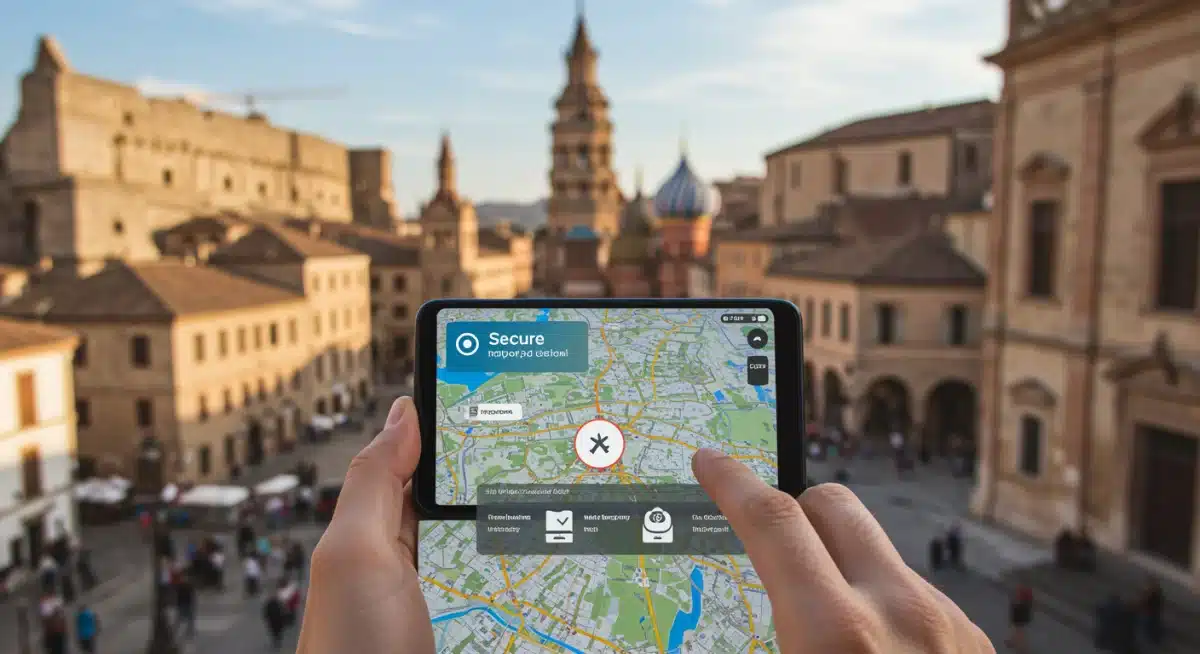
Effective navigation is a fundamental skill for solo travelers, preventing disorientation and minimizing exposure to unsafe areas. This goes beyond relying solely on GPS; it involves understanding maps, public transport systems, and local geography.
Thorough route planning, including alternative options, can save time and reduce stress. Researching your destination’s layout, identifying safe neighborhoods, and understanding local transport rules are crucial steps.
The ability to adapt your plans on the fly is also important. Road closures, unexpected delays, or changes in local conditions may necessitate quick adjustments to your itinerary, requiring sound judgment and flexibility.
Public Transport and Local Etiquette
Mastering public transport is often key to independent exploration. Learn how to use buses, trains, and subways, including ticket purchasing and understanding routes. Be aware of peak hours and potential safety concerns in crowded areas.
Respecting local etiquette, such as dress codes or social customs, can help you blend in and avoid drawing unwanted attention. A little research into cultural norms goes a long way in fostering positive interactions.
- Familiarize yourself with local transport apps and schedules.
- Always have a backup map (offline or paper).
- Learn basic directional phrases in the local language.
Self-Defense and Personal Security Awareness
While prevention is always the primary goal, knowing basic self-defense techniques and maintaining strong personal security awareness can be empowering for solo travelers.
This isn’t about seeking confrontation, but about being prepared for rare, worst-case scenarios.
Understanding vulnerable points and having a plan for escape can instill confidence. Many organizations offer short courses on travel-specific self-defense, focusing on practical, quick-response movements.
Personal security awareness also includes choosing appropriate accommodation, securing your belongings, and avoiding displaying valuables.
Choosing Secure Accommodation
Selecting safe and reputable accommodation is paramount. Read reviews carefully, especially those from other solo travelers. Look for features like 24-hour reception, secure locks, and well-lit common areas.
Once checked in, always use door chains and deadbolts. Consider carrying a portable door alarm or wedge for added security. Your accommodation should feel like a safe haven, not a point of vulnerability.

Cultural Sensitivity and Respectful Interaction
Embracing cultural sensitivity is not only a sign of respect but also a significant aspect of solo travel safety. Understanding and adhering to local customs, traditions, and social norms can prevent misunderstandings and foster positive interactions.
Researching the cultural landscape of your destination allows you to navigate social situations gracefully. This includes dress codes, greetings, dining etiquette, and appropriate behavior in sacred spaces.
By showing respect, solo travelers are more likely to be welcomed and assisted, reducing the likelihood of negative encounters. This skill is integral to truly confident exploration and enhances the overall travel experience.
Language Basics and Communication
Learning a few basic phrases in the local language (such as greetings, thanks, and emergency words) can make a profound difference. It demonstrates effort and respect, often opening doors to warmer interactions.
Even if you’re not fluent, the attempt to communicate in the local tongue can bridge cultural gaps. Carry a translation app or a phrasebook for more complex conversations, especially in emergencies.
- Master essential greetings and polite phrases.
- Utilize translation apps for complex communication.
- Be patient and use gestures when language is a barrier.
Financial Acumen and Budget Management
Smart financial planning is a crucial skill for solo travel safety, extending beyond just having enough money. It involves understanding currency exchange, budgeting effectively, and safeguarding your financial assets while abroad.
Avoiding financial stress allows you to focus on the experience rather than worrying about monetary issues. This includes setting a realistic budget and tracking expenses to prevent overspending or running out of funds unexpectedly.
Being financially astute also means being aware of common scams targeting tourists. Knowledge of these pitfalls can prevent significant financial losses and contribute to a smoother, more secure journey.
Currency Exchange and Scams
Research the local currency and typical exchange rates before you arrive. Use reputable exchange services or ATMs located in secure areas, and always double-check transactions. Be wary of unofficial money changers offering unusually good rates.
Familiarize yourself with common travel scams, such as inflated prices for tourists, fake police officers, or distraction thefts. Being informed empowers you to recognize and avoid these situations, protecting your finances.
Psychological Resilience and Adaptability
The mental aspect of solo travel is as important as the physical one. Developing psychological resilience and adaptability allows you to cope with challenges, loneliness, and the unexpected twists that often accompany independent adventures.
Solo travel can be incredibly rewarding, but it can also test your emotional strength. The ability to remain positive, solve problems creatively, and adjust your expectations is vital for a fulfilling journey.
Practicing mindfulness and self-care routines can help maintain mental well-being. Recognizing when you need a break or social interaction is part of being resilient and ensures a more balanced travel experience.
Managing Loneliness and Social Connections
Loneliness can be a challenge for solo travelers, but learning to manage it is a key skill. Actively seek out social opportunities through hostels, guided tours, or local meet-up groups. Embrace solitude as a chance for self-reflection.
Connecting with other travelers or locals can enrich your experience and provide a sense of community. Balancing alone time with social interaction is crucial for maintaining a healthy psychological state while on the road.
| Key Skill | Brief Description |
|---|---|
| Digital Preparedness | Securing devices, data, and reliable communication for emergencies. |
| Situational Awareness | Being observant, trusting instincts, and understanding surroundings. |
| Emergency Resourcefulness | Planning for medical, financial, and logistical crises effectively. |
| Navigational Competence | Mastering maps, public transport, and flexible route planning. |
Frequently Asked Questions About Solo Travel Safety
Common risks include petty theft, scams, getting lost, transportation issues, and medical emergencies. Solo travelers may also face increased vulnerability to harassment or isolation. Proactive planning and awareness significantly mitigate these concerns, allowing for a safer journey.
Technology offers numerous safety aids, such as GPS navigation, emergency communication apps, digital copies of documents, and real-time alerts. Secure messaging and VPNs protect personal data. These tools empower travelers to stay connected and informed, bolstering overall security.
Yes, travel insurance is highly recommended for solo travelers. It provides crucial coverage for medical emergencies, trip cancellations, lost luggage, and unexpected events. A comprehensive policy offers peace of mind and financial protection against unforeseen circumstances, making it an essential investment.
If you feel unsafe, trust your instincts. Immediately remove yourself from the situation, head to a well-lit public area, or seek help from trusted establishments like hotels or police stations. Contact your emergency contacts and local authorities if necessary.
Research common scams in your destination before arriving. Be skeptical of overly friendly strangers, unsolicited offers, and individuals posing as authorities. Keep valuables secure, avoid flashing cash, and use reputable services. Awareness is your best defense against manipulation.
Looking Ahead: Empowering Future Solo Explorers
The emphasis on Solo Travel Safety underscores a critical shift towards proactive and informed travel. As global dynamics continue to evolve, the ability to adapt, plan, and trust one’s instincts will define the success and safety of solo adventures.
This framework serves as a vital guide, encouraging travelers to not only explore the world but to do so with an unparalleled sense of security and empowerment, setting new benchmarks for independent journeys.