Mastering US Public Transportation in 2026: A Practical Guide to Saving 20% on Inter-State Travel
As we step into a new era of mobility, mastering US Public Transportation in 2026 is no longer just a convenience, it is a vital financial strategy.
With the national transit landscape shifting toward high-speed efficiency and digital integration, savvy commuters are finding smarter ways to bridge the gap between states without breaking the bank.
Modern networks have evolved far beyond basic schedules, now featuring seamless contactless payments and regional fare capping that slash costs automatically.
By leveraging these unified mobility platforms, travelers can easily navigate across borders while securing significant discounts that were previously buried in complex ticketing tiers.
The secret to a 20% reduction in your annual travel budget lies in understanding this interconnected infrastructure.
From leveraging inter-state rail expansions to utilizing account-based ticketing, this guide provides the essential roadmap for optimizing every mile of your journey through the American transit corridor.
The Evolving Landscape of US Inter-State Public Transportation
The year 2026 marks a pivotal moment for US public transportation, with several long-term infrastructure projects nearing completion or significantly expanding their operational reach.
These developments are not merely about new routes but involve a comprehensive overhaul of how different modes of transport interconnect.
Federal investments, coupled with state-level initiatives, are creating a more cohesive and user-friendly network. This integration is designed to streamline travel, reduce transit times, and ultimately lower costs for passengers moving between states.
Understanding these foundational changes is the first step toward effectively mastering US Public Transportation. The focus is on creating seamless journeys that were previously fragmented and more expensive.
Key Infrastructure Upgrades and Expansions
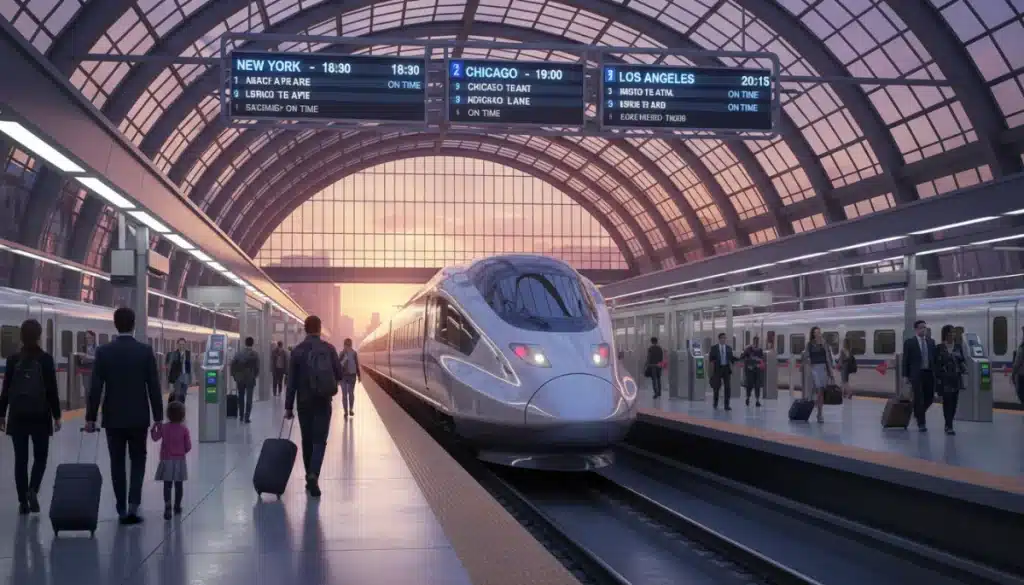
Major rail corridors are receiving substantial upgrades, including electrification and the introduction of faster trains, particularly in the Northeast and parts of the Midwest.
These improvements aim to make train travel a more competitive and attractive option against air and car travel.
Additionally, inter-city bus networks are seeing renewed investment, with enhanced comfort, Wi-Fi connectivity, and more frequent schedules. These services often complement rail lines, providing last-mile connections or serving routes where rail is not yet feasible.
These infrastructure upgrades are fundamental to achieving the goal of mastering US Public Transportation. They lay the groundwork for a more robust and reliable system, making it easier for travelers to plan and execute their journeys.
- Amtrak’s Acela Express expansion and speed enhancements
- Numerous regional bus network modernizations across states
- New multimodal hubs facilitating seamless transfers
Strategic Planning for 20% Savings on Inter-State Journeys
Achieving a 20% saving on inter-state travel requires more than just knowing the routes; it demands strategic planning and an awareness of pricing dynamics. Travelers must leverage advance booking, off-peak travel, and loyalty programs to maximize their cost reductions.
The integration of different public transport modes also presents unique opportunities for savings. By combining train, bus, and even local transit, travelers can often piece together more economical routes than relying on a single, more expensive option.
This strategic approach is central to mastering US Public Transportation in 2026. It empowers travelers to make informed decisions that directly impact their wallets.
Leveraging Advance Bookings and Off-Peak Travel
Booking tickets well in advance, especially for popular routes and during peak seasons, can yield significant discounts. Many public transportation providers offer tiered pricing, rewarding early planners with lower fares.
Traveling during off-peak hours or weekdays often presents another avenue for savings, as demand and prices are typically lower. Flexibility in travel dates and times can be a powerful tool in reducing overall costs.
By consciously choosing to travel during less busy periods, individuals can significantly contribute to their 20% savings goal when mastering US Public Transportation in 2026: A Practical Guide to Saving 20% on Inter-State Travel. This requires a proactive approach to scheduling.
- Book train tickets 2-4 weeks ahead for best prices
- Consider overnight buses for long distances to save on accommodation
- Utilize weekday travel for lower fares compared to weekends
Integrated Ticketing and Loyalty Programs for Enhanced Value
One of the most exciting developments in US public transportation for 2026 is the push towards more integrated ticketing systems. These systems aim to simplify the purchasing process and offer bundled discounts for multi-modal journeys.
Additionally, loyalty programs across various carriers are becoming more robust, offering points, discounts, and exclusive perks to frequent travelers. Enrolling in these programs can significantly contribute to the 20% savings objective.
Understanding and utilizing these integrated solutions is a critical component of mastering US Public Transportation. It’s about making the system work for you, not against you.
Exploring Multimodal Passes and Regional Connectors
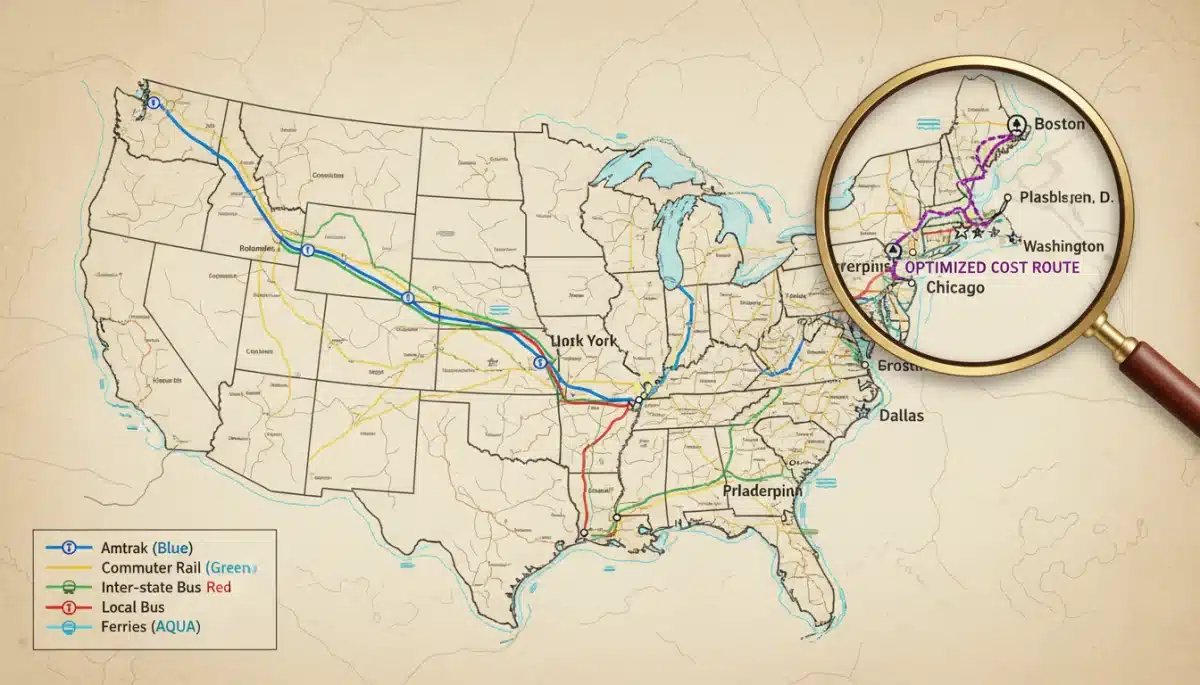
Several regions are piloting or expanding multimodal passes that allow travel across different public transport types (trains, buses, ferries) with a single ticket or card. These passes often come with built-in savings compared to purchasing individual tickets.
These regional connectors are essential for navigating complex urban and suburban landscapes, ensuring that the journey from an inter-state terminal to a final destination remains efficient and affordable.
Such passes are game-changers for those committed to mastering US Public Transportation in 2026.
By looking beyond single-mode tickets and embracing these comprehensive options, travelers can unlock considerable savings and convenience. The goal is to minimize friction and maximize value at every step of the journey, making travel more accessible.
Navigating Digital Tools and Real-Time Information
The proliferation of digital tools and real-time information systems is revolutionizing how travelers interact with public transportation. Mobile apps, online platforms, and digital signage now provide immediate access to schedules, delays, and alternative routes.
These tools are indispensable for efficient travel planning and on-the-go adjustments, crucial for those aiming to save 20% on inter-state travel. They empower travelers with the information needed to make smart choices and avoid costly disruptions.
Proficiency in using these digital resources is a cornerstone of mastering US Public Transportation in 2026. It transforms a potentially stressful journey into a smooth and manageable experience.
Essential Apps for Seamless Travel
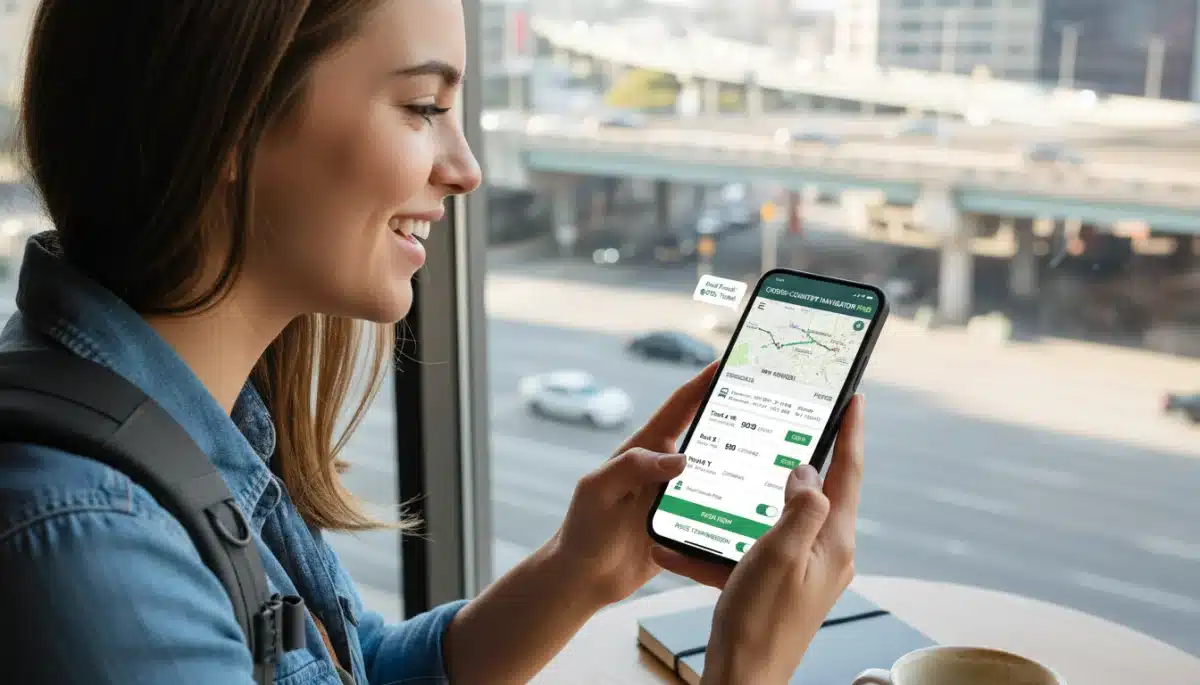
A growing number of mobile applications offer comprehensive information for planning inter-state public transportation. These apps often integrate data from multiple carriers, allowing users to compare routes, fares, and travel times across different modes.
Features like real-time tracking, push notifications for delays, and mobile ticketing capabilities enhance the travel experience significantly. Embracing these technologies is vital for anyone focused on mastering US Public Transportation.
These digital companions are not just conveniences; they are powerful tools for optimizing routes and ensuring the most cost-effective journey. Staying informed through these platforms can prevent unexpected expenses and delays, contributing to overall savings.
Accessibility and Inclusivity in Public Transportation
As US public transportation evolves, there is a strong emphasis on enhancing accessibility and inclusivity for all travelers.
New regulations and design standards ensure that facilities and services are usable by individuals with diverse needs, from mobility challenges to sensory impairments.
These improvements not only broaden access but also contribute to a more comfortable and dignified travel experience for everyone. An accessible system is a more efficient system for all users, which is important for mastering US Public Transportation in 2026.
Understanding the provisions for accessible travel is crucial for those who require them and for fostering a more considerate travel environment. These advancements reflect a commitment to equity in public services.
Updates to ADA Compliance and Passenger Assistance
Public transportation providers are implementing updated Americans with Disabilities Act (ADA) compliance measures, including accessible vehicles, stations, and improved communication systems. Training for staff on assisting passengers with disabilities is also being enhanced.
These efforts extend to making booking processes and information readily available in accessible formats. Such commitments are integral to the broader objective of mastering US Public Transportation in 2026, ensuring equitable access.
Travelers with specific needs are encouraged to communicate their requirements in advance to ensure the best possible assistance. This proactive approach helps guarantee a smooth and stress-free journey, aligning with the principles of inclusive travel.
Future Trends and Long-Term Savings Strategies
Looking beyond 2026, the trajectory of US public transportation points towards even greater integration, sustainability, and technological advancement. Emerging trends suggest continued innovation in ticketing, route optimization, and passenger amenities.
Long-term savings strategies will increasingly involve leveraging subscription models, flexible passes, and potentially even dynamic pricing based on demand and environmental factors. Staying abreast of these trends will be vital for sustained cost reduction.
These future developments underscore the ongoing importance of mastering US Public Transportation in 2026, as the landscape will keep evolving. Adaptability will be key to maximizing future benefits.
Sustainable Travel and Economic Benefits
The focus on sustainable transportation solutions, such as electric buses and high-speed rail, not only reduces environmental impact but also offers long-term economic benefits through reduced fuel costs and operational efficiencies.
These savings can translate into more affordable fares for passengers.
Travelers who prioritize sustainable options may find themselves benefiting from incentives or preferred pricing schemes in the future. This alignment of economic and environmental goals reinforces the value of mastering US Public Transportation in 2026.
By choosing public transportation, individuals contribute to a greener future while also enjoying direct financial advantages. This dual benefit makes public transit an increasingly attractive option for conscious travelers.
Case Studies: Realizing 20% Savings
To illustrate the practical application of these strategies, examining real-world examples of travelers achieving significant savings provides valuable insight.
These case studies highlight how diverse individuals leveraged the public transportation system to reduce their inter-state travel costs by 20% or more.
From students on a budget to business professionals optimizing their travel expenses, the methods vary but consistently rely on informed choices and strategic planning. These examples offer tangible proof of the benefits of mastering US Public Transportation in 2026.
These narratives serve as inspiration and practical blueprints for others looking to replicate similar financial successes. Learning from successful implementations can accelerate one’s own journey towards substantial savings.
Traveler Success Stories and Best Practices
One notable example involves a frequent traveler who combined an Amtrak pass with regional bus connections, booking several months in advance to secure a 25% discount on multiple inter-state trips.
Their meticulous planning extended to traveling during mid-week to avoid peak surcharges.
Another case highlights a family trip where utilizing a multimodal city pass for urban transit elements, after an inter-state bus journey, resulted in significant savings on local transportation costs.
This integrated approach prevented individual ticket purchases which would have accumulated quickly.
These success stories underscore the effectiveness of a holistic approach to mastering US Public Transportation in 2026. They demonstrate that with careful consideration and utilization of available resources, substantial savings are indeed attainable.
Overcoming Challenges and Maximizing Efficiency
While the benefits of mastering US public transportation in 2026 are clear, travelers may still encounter challenges such as unexpected delays, complex route changes, or navigating unfamiliar stations. Preparedness and flexibility are key to minimizing these potential inconveniences.
Having backup plans, staying informed through real-time updates, and understanding the customer service options available can significantly enhance the travel experience.
Efficient problem-solving is an integral part of successfully mastering US Public Transportation in 2026.
Anticipating potential hurdles and knowing how to address them ensures a smoother journey, even when unforeseen circumstances arise. This proactive mindset is crucial for a stress-free and cost-effective travel experience.
Tips for Handling Delays and Changes
Subscribing to alert notifications from transportation providers is one of the most effective ways to stay informed about potential delays or schedule changes. Many apps offer push notifications that can keep travelers updated in real-time.
Familiarizing oneself with alternative routes or modes of transportation for critical legs of a journey can also save time and money if the primary plan goes awry. Always having a contingency plan is a smart strategy when mastering US Public Transportation in 2026.
Additionally, knowing the customer service procedures for refunds or rebooking in case of significant disruptions can prevent financial losses. Being prepared for the unexpected is a hallmark of an experienced public transportation user.
| Key Point | Brief Description |
|---|---|
| Strategic Booking | Utilize advance purchases and off-peak travel to secure lower fares. |
| Integrated Systems | Leverage multimodal passes and loyalty programs for bundled savings. |
| Digital Tools | Use apps and real-time info for planning, updates, and alternative routes. |
| Accessibility Focus | Be aware of ADA compliance and assistance for inclusive travel. |
Frequently Asked Questions About US Public Transportation Travel
The primary benefits include significant cost savings, reduced environmental impact, and increased convenience through integrated networks. Travelers can avoid fuel costs, parking fees, and the stress of driving, making their journeys more relaxed and economical. Mastering US Public Transportation in 2026: A Practical Guide to Saving 20% on Inter-State Travel offers unparalleled advantages.
To save 20%, focus on advance bookings, traveling during off-peak hours, utilizing multimodal passes, and enrolling in loyalty programs. Comparing fares across different modes and being flexible with your travel dates are also crucial strategies. These methods are key to mastering US Public Transportation in 2026: A Practical Guide to Saving 20% on Inter-State Travel.
Essential digital tools include comprehensive travel planning apps that integrate various public transport modes, real-time tracking apps for delays, and official carrier websites for direct bookings. These resources provide up-to-date information, helping travelers make informed decisions. They are indispensable for mastering US Public Transportation in 2026 effectively.
The Northeast Corridor (Boston to Washington D.C.) and parts of California and the Midwest currently boast the most developed inter-state public transportation networks. These regions have significant rail and bus infrastructure, offering more frequent and integrated services. These areas are prime for mastering US Public Transportation in 2026: A Practical Guide to Saving 20% on Inter-State Travel.
In case of delays or cancellations, immediately check your mobile app for real-time updates and alternative routes. Contact the carrier’s customer service for rebooking or refund options. Always have a contingency plan and be aware of your rights as a passenger. This preparedness is vital for mastering US Public Transportation in 2026: A Practical Guide to Saving 20% on Inter-State Travel.
Perspectives
The ongoing evolution of US public transportation presents unprecedented opportunities for travelers to embrace more efficient and economical journeys.
The advancements expected by 2026 are not merely incremental; they represent a fundamental shift in how inter-state travel is approached.
By proactively engaging with these changes and adopting strategic planning, individuals can significantly reduce their travel expenses while enjoying enhanced convenience and reliability.
The goal of mastering US Public Transportation in 2026 is within reach for informed travelers.
As the networks continue to expand and integrate, staying updated on new services, digital tools, and savings programs will be crucial. These developments promise a future where inter-state travel is more accessible, affordable, and sustainable for everyone.