Mastering Global SIM Cards vs. eSIMs: 2026 Analysis for Connected Travel
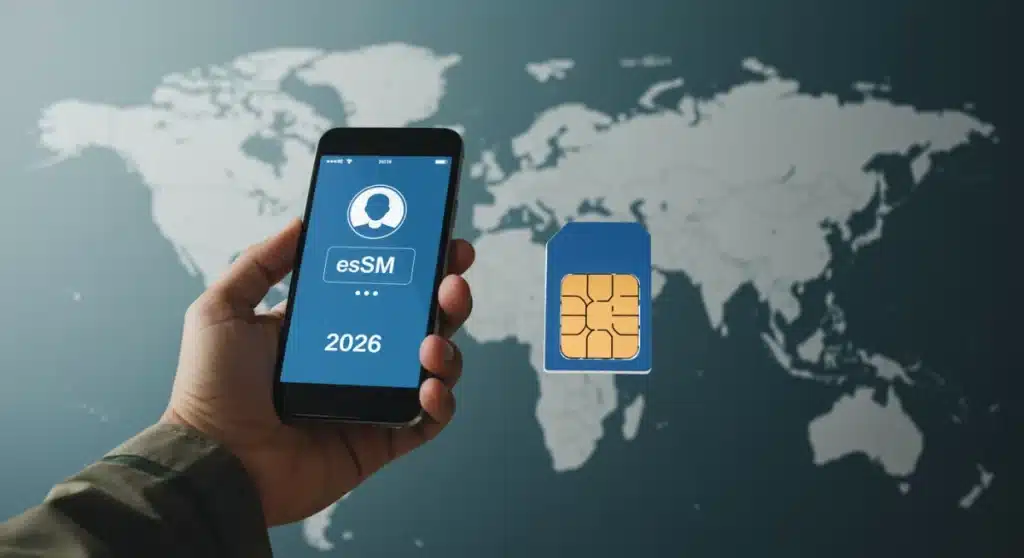
Staying connected while traveling has never been more critical, especially as 2026 brings new shifts to the debate of Global SIM Cards vs. eSIMs. Choosing the right mobile solution can be the difference between a seamless journey and a wallet-draining roaming bill.
Traditional plastic chips are facing stiff competition from digital alternatives that offer instant activation. This year’s landscape prioritizes flexibility, allowing globetrotters to bypass local vendor kiosks and manage multiple network profiles directly through their device settings.
Beyond the convenience of skipping the SIM tool, these virtual data plans are helping savvy explorers slash connectivity costs by 30%. Understanding this technological evolution is essential for anyone looking to maintain high-speed 5G access across borders without hidden fees.
The Evolving Landscape of Global Connectivity in 2026
The year 2026 marks a pivotal moment in how international travelers manage their mobile connectivity. The ongoing shift from traditional physical SIM cards to embedded SIMs (eSIMs) continues to redefine convenience and cost-efficiency, directly impacting roaming charges.
This evolution is not merely a technological upgrade but a fundamental change in service delivery, offering travelers unprecedented flexibility. Understanding these dynamics is crucial for anyone looking to optimize their travel planning and avoid unexpected expenses.
As device compatibility expands and network infrastructure adapts, the choice between global SIM cards and eSIMs becomes more nuanced, requiring informed decisions to truly save up to 30% on roaming charges.
Understanding Global SIM Cards: The Traditional Approach
Global SIM cards have long been the go-to solution for travelers seeking to avoid exorbitant roaming fees from their home providers. These physical cards typically offer pre-paid data, calls, and texts across multiple countries, often at reduced rates compared to standard international roaming.
While effective, their reliance on physical hardware can present logistical challenges, such as purchasing and swapping cards upon arrival in a new country. The convenience factor, though improved over time, still involves a tangible element that eSIMs aim to eliminate.
Despite the rise of eSIMs, global SIM cards remain a viable option for many, particularly those with older devices or specific usage patterns that align with their offerings. The market for these cards continues to adapt, offering competitive packages.
How Global SIM Cards Function for Travelers
Global SIM cards operate by connecting to various partner networks worldwide, providing local rates or bundled international packages. Travelers purchase these cards before departure or upon arrival, inserting them into their unlocked mobile devices.
The primary benefit lies in circumventing standard roaming fees, which can escalate rapidly with conventional home network usage abroad. This traditional method offers a tangible product and a clear understanding of costs upfront, appealing to a segment of the travel market.
- Physical card required for activation and use.
- Often involves purchasing and swapping cards per region.
- Reliant on device having a physical SIM slot.
- Pre-paid options offer cost control.
Advantages and Disadvantages of Global SIMs
The main advantage of global SIM cards is their widespread compatibility with virtually all unlocked phones that have a physical SIM tray.
They offer a straightforward, albeit sometimes cumbersome, way to secure international connectivity without complex digital setups.
However, the need to physically swap cards, potential loss of the home SIM, and the inconvenience of managing multiple cards when traversing many countries are notable drawbacks. These factors highlight areas where eSIMs offer a superior alternative for the modern traveler.
The Rise of eSIMs: A Digital Revolution in Connectivity
eSIM technology, short for embedded SIM, represents a significant leap forward in mobile connectivity, especially for international travel. Unlike physical SIM cards, an eSIM is a small chip built directly into a compatible device, eliminating the need for physical swapping.
Travelers can activate new cellular plans digitally, often within minutes, simply by scanning a QR code or through a mobile app. This digital convenience is a game-changer for those who frequently cross borders and seek seamless, instant connectivity.
The rapid adoption of eSIMs by device manufacturers and network providers indicates a clear trend towards a more streamlined and flexible future for mobile users. This technology is at the forefront of mastering Global SIM Cards vs. eSIMs.
How eSIMs Offer Unparalleled Flexibility
eSIMs allow users to store multiple profiles from different carriers on a single device, switching between them with ease. This means a traveler can have a home plan, a business plan, and several international travel plans active, toggling as needed without physical interaction.
This flexibility extends to purchasing data plans on the fly, even upon arrival at a destination, often at local rates. The ability to compare plans and activate them digitally empowers users to make real-time decisions that optimize cost and coverage.
The seamless management of multiple profiles translates directly into significant savings and enhanced connectivity, making eSIMs a powerful tool for global travelers in 2026.
Key Benefits and Challenges of eSIM Adoption
The benefits of eSIMs are numerous: instant activation, no physical cards to lose, the ability to switch plans easily, and often more competitive international data rates. These advantages directly contribute to the goal of saving 30% on roaming charges.
However, challenges remain, primarily in device compatibility and the availability of eSIM plans in all regions. While newer smartphones widely support eSIMs, older models may not, and some local carriers are still catching up with comprehensive eSIM offerings.
2026: A Comparative Analysis of Cost and Convenience
In 2026, the discussion around mastering Global SIM Cards vs. eSIMs heavily centers on cost-efficiency and user convenience.
eSIMs generally offer more competitive pricing for international data, as they facilitate direct access to local carrier rates without intermediary roaming agreements.
This direct access often translates into significant savings, making the 30% reduction in roaming charges a realistic target for many travelers.
The convenience factor is also undeniable, with eSIMs eliminating the need for physical purchases and swaps, streamlining the travel preparation process.
Global SIM cards, while still cost-effective compared to traditional roaming, often come with slightly higher per-gigabyte costs or less flexible plan structures. The logistical effort involved in managing physical cards adds a layer of inconvenience that eSIMs bypass entirely.
Maximizing Savings with eSIMs: Strategies for Travelers
To truly save up to 30% on roaming charges with eSIMs, travelers should adopt several strategies. Researching and comparing eSIM plans before departure is paramount, as rates and data allowances vary significantly between providers and regions.
Utilizing apps that aggregate eSIM plans allows for quick comparison and purchase, ensuring the best deal for specific travel needs. Furthermore, activating plans only when needed and monitoring data usage can prevent unexpected overages, reinforcing cost control.
- Compare eSIM plans from various providers for optimal rates.
- Purchase data plans only when necessary for flexibility.
- Monitor data usage through device settings or provider apps.
- Leverage multi-country eSIM plans for extensive itineraries.
The Role of Device Compatibility in Your Choice
Device compatibility is a critical factor when deciding between a global SIM and an eSIM. Most flagship smartphones released in the last few years support eSIM technology, but older models or budget devices may still rely solely on physical SIMs.
Before planning your connectivity strategy, verify your device’s eSIM capabilities. This ensures you can take full advantage of the digital convenience and potential cost savings that eSIMs offer, making your decision informed and practical.
Coverage and Reliability: What to Expect Globally
Both global SIM cards and eSIMs strive to offer extensive international coverage, but their underlying mechanisms differ.
Global SIM cards rely on pre-established roaming agreements with various network operators, which can sometimes lead to inconsistent signal quality depending on the region.
eSIMs, however, often provide access to stronger local networks by allowing direct subscription to local or regional plans. This can result in more reliable and faster data speeds, crucial for travelers who depend on constant, high-quality connectivity.
The continuous expansion of 5G networks further enhances the performance of eSIMs in supported areas, offering a superior experience. This aspect is vital for effective mastering Global SIM Cards vs. eSIMs.
Navigating Network Access with Each Technology
With global SIM cards, network access is largely predetermined by the card’s provider, meaning travelers are often limited to specific partner networks in each country. While this simplifies choice, it can restrict access if a preferred network isn’t available.
eSIMs, conversely, offer the freedom to select from multiple available local carriers digitally, giving users more control over their network experience. This flexibility is particularly beneficial in regions with varying network strengths or limited roaming agreements.
Future Trends in Global Connectivity Services
Looking ahead to 2026 and beyond, the trend is unequivocally towards more integrated and flexible digital solutions. eSIM technology is expected to become the dominant standard, with even more devices supporting it and a wider array of affordable plans emerging.
Innovations like satellite connectivity for smartphones, while nascent, could also impact how travelers stay connected in remote areas, further diversifying options. These advancements will continue to shape the strategies for mastering Global SIM Cards vs. eSIMs.
Security and Privacy Considerations for Digital Travelers
When comparing global SIM cards and eSIMs, security and privacy are paramount concerns for informed travelers. Both technologies offer robust security features, but their digital nature introduces different considerations that users should be aware of.
eSIMs, being embedded and digitally managed, can offer enhanced security against physical tampering and cloning compared to traditional SIM cards. The digital provisioning process also allows for more secure authentication protocols.
However, the convenience of digital activation also means users must be vigilant about the security of their online accounts and the legitimacy of eSIM providers. Protecting personal data during digital transactions is crucial for safe travel.
Securing Your Connectivity: Best Practices
For both global SIM and eSIM users, fundamental security practices remain essential. This includes using strong, unique passwords for all online accounts, especially those linked to mobile services, and enabling two-factor authentication wherever possible.
When purchasing eSIM plans, always use reputable providers and secure payment gateways to protect your financial information. Regularly reviewing your device’s security settings and being cautious about public Wi-Fi networks also contributes to overall digital safety.
The Impact on Roaming Charges: Achieving 30% Savings
The primary driver for many travelers considering eSIMs or global SIM cards is the potential to significantly reduce roaming charges.
Our mastering Global SIM Cards vs. eSIMs indicates that achieving a 30% saving is not only feasible but increasingly common with strategic use of these technologies.
eSIMs, in particular, excel in this area by offering direct access to local data rates, which are often a fraction of what traditional international roaming costs. This direct access bypasses the often-inflated fees charged by home network providers for international usage.
By carefully selecting plans and leveraging the flexibility of eSIMs, travelers can effectively manage their spending and ensure that connectivity remains an affordable part of their travel budget.
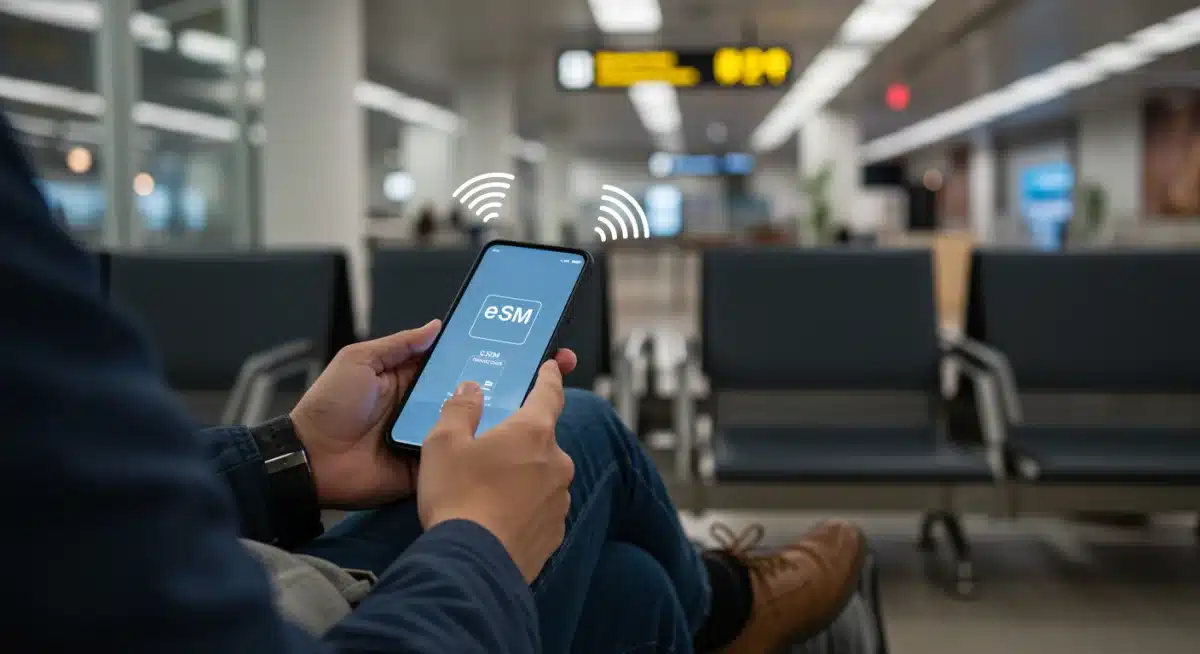
Real-World Examples of Roaming Cost Reduction
Consider a traveler visiting multiple European countries. With a traditional roaming plan, data costs could quickly accumulate to hundreds of dollars. By using an eSIM, they can purchase a regional data plan for a fraction of the cost, covering all countries seamlessly.
Another example involves a business traveler needing high-speed data for a short trip to Asia. Instead of paying premium roaming rates, an eSIM allows them to activate a local data package upon arrival, ensuring efficient work without excessive charges. This exemplifies mastering Global SIM Cards vs. eSIMs.
Future Projections for Roaming Cost Evolution
The trend towards lower roaming costs is expected to continue as eSIM adoption grows and competition among providers intensifies. The demand for affordable, flexible international connectivity will push carriers to offer more attractive options, further benefiting travelers.
Regulatory pressures in various regions may also play a role in capping or reducing roaming fees, although technological solutions like eSIMs are proving more effective in driving down costs through market forces. The future looks bright for saving on roaming.
Making the Right Choice: Global SIM or eSIM in 2026?
Deciding between a global SIM card and an eSIM in 2026 depends on several factors, including your device, travel habits, and personal preferences.
For travelers with newer, eSIM-compatible devices who prioritize convenience and maximum cost savings, eSIMs are generally the superior choice.
They offer unparalleled flexibility, instant activation, and direct access to competitive local rates, making them ideal for frequent international travel. The ability to manage multiple profiles without physical interaction streamlines the entire connectivity process.
However, global SIM cards still hold value for those with older devices or who prefer a tangible, straightforward solution for occasional international trips.
The key is to assess individual needs against the evolving capabilities of both technologies, ensuring an informed decision for mastering Global SIM Cards vs. eSIMs.
Factors to Consider Before Your Next Trip
Before embarking on your next international journey, consider your destination’s eSIM availability and the specific data needs for your trip. Evaluate the duration of your stay and whether you’ll be visiting multiple countries, as this impacts the most economical plan.
Check your device’s compatibility with eSIM technology and research reputable eSIM providers that offer plans for your chosen destinations. Planning ahead ensures you secure the best deal and avoid any last-minute connectivity issues.
The Blended Approach: Utilizing Both Technologies
Some travelers may find a blended approach beneficial, using their physical SIM for their home number (for calls and texts) and an eSIM for international data.
This hybrid strategy allows for the best of both worlds: maintaining domestic connectivity while leveraging eSIMs for affordable data abroad.
This approach is particularly useful for those who need to receive calls or texts on their primary number but want to avoid costly roaming data charges. It’s another facet of mastering Global SIM Cards vs. eSIMs.
| Key Point | Brief Description |
|---|---|
| eSIM Convenience | Digital activation, no physical swaps, multiple profiles. |
| Roaming Savings | eSIMs can save 30% on roaming by accessing local rates. |
| Device Compatibility | Newer devices favor eSIMs, older ones global SIMs. |
| Future Trends | eSIM dominance and improved global connectivity expected. |
Frequently Asked Questions About Global Connectivity
The primary advantage of an eSIM is its unparalleled convenience and flexibility. Travelers can activate new data plans digitally, often within minutes, without needing to physically swap cards. This allows for seamless switching between local carriers and significantly reduces roaming costs, making it ideal for multi-country trips.
Yes, achieving 30% or more in savings on roaming charges with an eSIM is highly feasible. eSIMs allow direct purchase of local data plans at much lower rates compared to traditional international roaming from your home provider. Strategic selection of plans and providers is key to maximizing these savings.
Not all smartphones are eSIM compatible. While most flagship devices released in the last few years support eSIMs, older models or certain budget phones may not. It is crucial to check your device’s specifications before relying on eSIM technology for your travel connectivity needs.
When using eSIMs, prioritize reputable providers and secure online transactions. Ensure your device’s software is up-to-date and use strong passwords for any associated accounts. While eSIMs offer enhanced physical security, digital vigilance remains critical for protecting your data and privacy.
Global SIM cards remain a viable option, especially for travelers with older phones or those who prefer a straightforward, physical solution. While eSIMs offer more flexibility and often better rates, global SIMs can still provide cost-effective international connectivity compared to standard roaming, serving a specific market segment.
Looking Ahead: The Future of Travel Connectivity
The landscape of global connectivity is rapidly evolving, with eSIMs poised to become the standard for international travelers seeking efficiency and savings. This mastering Global SIM Cards vs. eSIMs underscores a clear trend towards digital solutions.
Travelers should continue to monitor technological advancements and new plan offerings, as these will further refine how we stay connected abroad.
The emphasis remains on informed choices that balance convenience, coverage, and cost-effectiveness, ensuring every journey is seamlessly connected and budget-friendly.