Travel Health Preparedness: 2026 Vaccinations & First-Aid Kits
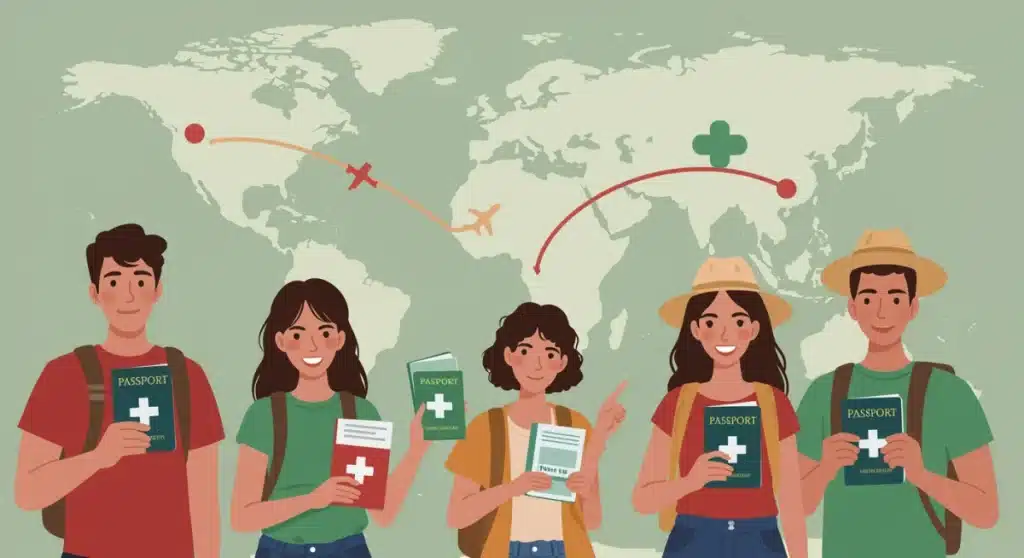
Preparing for your next global adventure requires more than just a valid passport and a packed suitcase. In an era of shifting medical guidelines, mastering Travel Health Preparedness is the ultimate strategy for a seamless journey.
Staying ahead of the curve means understanding the latest immunization protocols and updated regional requirements. By prioritizing these preventive measures, you ensure that unexpected health shifts won’t disrupt your exploration of the United States or beyond.
Equipping yourself with a modern medical kit and verified clinical advice provides the peace of mind every wanderer deserves. Transform your approach to safety by integrating these essential wellness tools into your pre-departure checklist today.
Evolving Global Health Landscape and Travel Requirements
The global health scenario continues to shift, influenced by new disease patterns and public health initiatives. For 2026, travelers must be aware of updated entry requirements and health advisories issued by various countries and international bodies.
These changes reflect ongoing efforts to mitigate health risks, ensuring both traveler safety and public health within host nations. Staying current with these evolving mandates is no longer optional but a critical component of responsible travel planning.
The focus on Travel Health Preparedness 2026 emphasizes adaptability and access to reliable information sources. Travelers should prioritize official government health websites and reputable travel medicine clinics for the most accurate guidance before departure.
Key Vaccination Updates for 2026
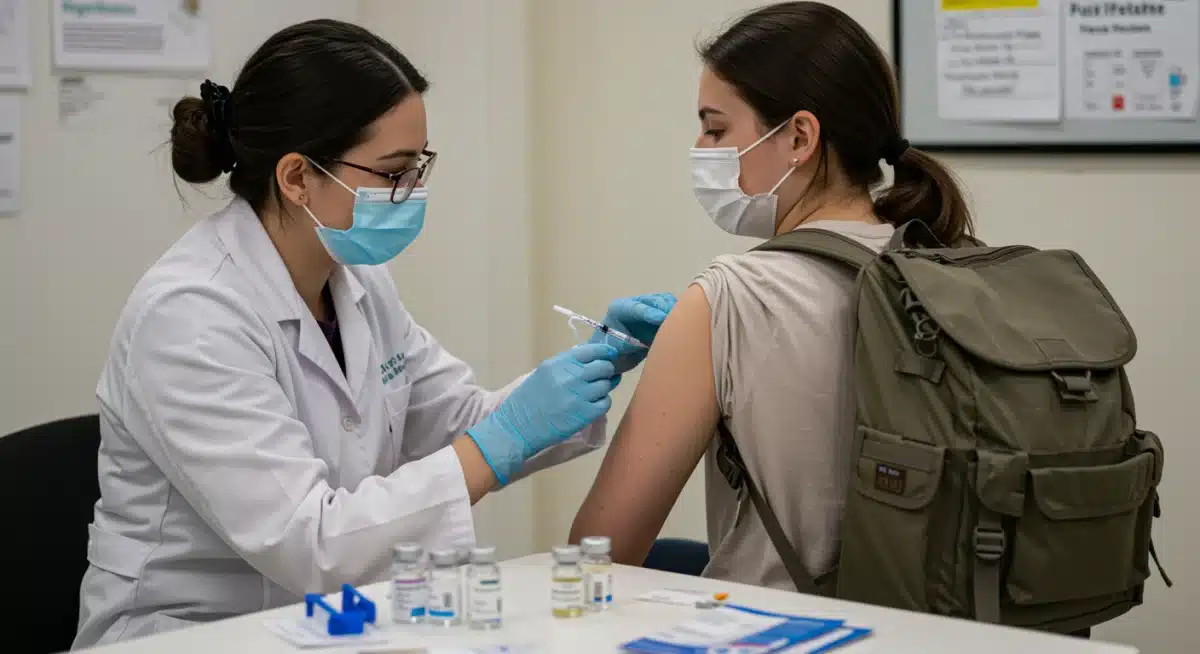
As 2026 approaches, several vaccination protocols have been updated or reinforced. The World Health Organization (WHO) and national health agencies, such as the CDC in the United States, have issued revised recommendations that travelers should heed.
These updates often reflect changes in disease prevalence, efficacy of existing vaccines, or the introduction of new vaccines. Consulting a travel medicine specialist well in advance of any trip is crucial to determine which immunizations are necessary based on itinerary and individual health status.
- Routine Vaccinations: Ensure all standard immunizations like measles, mumps, rubella (MMR), tetanus, diphtheria, pertussis (Tdap), and polio are up-to-date, as these remain foundational for global health.
- Region-Specific Vaccines: Yellow fever, typhoid, hepatitis A and B, and Japanese encephalitis continue to be vital for specific destinations. New risk assessments may alter previous recommendations for certain areas.
- Emerging Disease Protection: Travelers should inquire about any new or enhanced recommendations for diseases that have gained prominence, such as updated COVID-19 boosters or other respiratory pathogens.
- Malaria Prophylaxis: While not a vaccine, antimalarial medications remain critical for travel to endemic regions. Consult a doctor for the most appropriate regimen based on destination and duration.
These recommendations are dynamic and subject to change, underscoring the need for timely pre-travel medical consultations. A personalized vaccination plan is the most effective approach to safeguarding health abroad.
Assembling Your Essential First-Aid Kit for Global Adventures
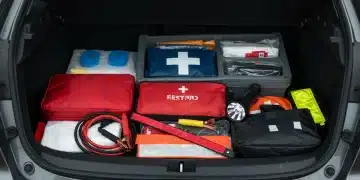
A well-stocked first-aid kit is an indispensable component of Travel Health Preparedness 2026. Beyond basic bandages, modern travel demands a comprehensive kit tailored to potential emergencies, remote locations, and individual health needs.
The contents should be reviewed and updated regularly, especially before each major trip. Consider the destination’s climate, local health risks, and the availability of medical facilities when customizing your kit.
It is important to remember that while a first-aid kit can address minor ailments and emergencies, it is not a substitute for professional medical attention. Knowing when to seek help is as crucial as having the right supplies.
Customizing Your Kit for Diverse Destinations
The ideal first-aid kit for a jungle trek will differ significantly from one for a city break in Europe. Factors like altitude, temperature, and insect prevalence should guide your choices. Always carry prescription medications in their original packaging with a doctor’s note.
Beyond standard items, consider adding specialized gear depending on your activities. For instance, water purification tablets for hiking or rehydration salts for hot climates. Digital tools, like health apps, can also complement your physical kit.
- Basic Wound Care: Include antiseptic wipes, various sizes of adhesive bandages, sterile gauze pads, medical tape, and antibiotic ointment.
- Pain and Fever Relief: Pack acetaminophen and ibuprofen. Consider a topical pain relief cream for muscle aches.
- Allergy Medication: Antihistamines are crucial for unexpected allergic reactions, from insect bites to food sensitivities.
- Gastrointestinal Issues: Anti-diarrhea medication, laxatives, and antacids are common necessities for travelers.
- Personal Medications: Always carry an adequate supply of any prescribed medications, along with a copy of the prescription and a doctor’s letter explaining their use.
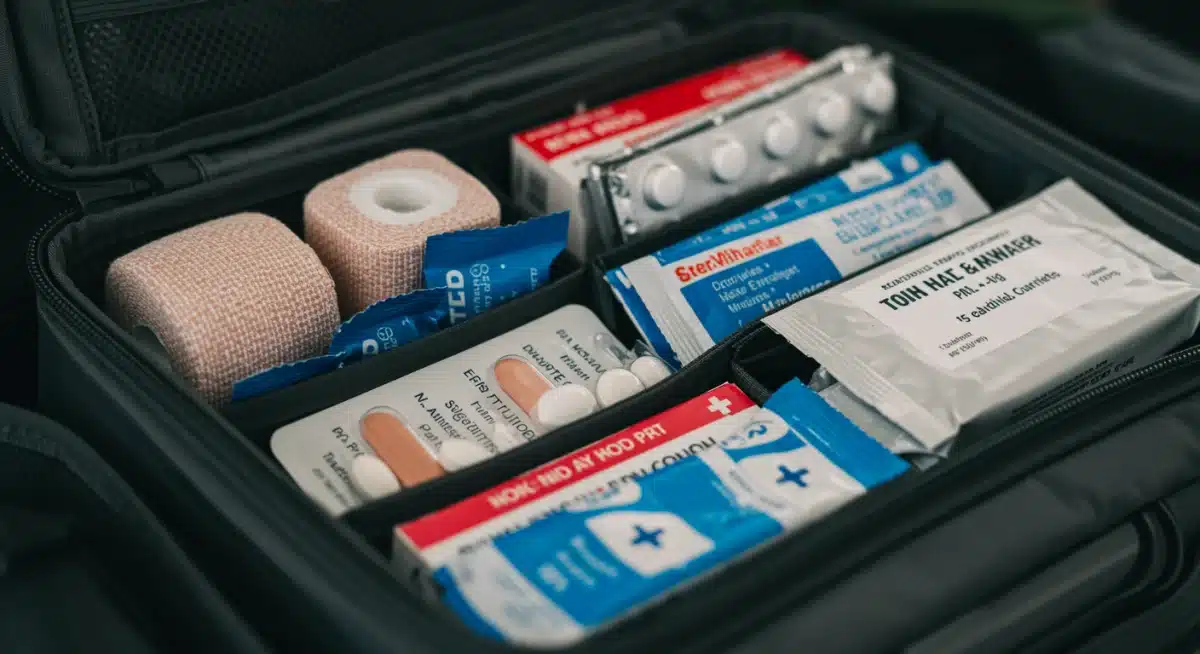
Ensuring your first-aid kit is readily accessible and clearly labeled can save valuable time in an emergency. Regularly check expiration dates on all medications and replace items as needed.
Navigating Pre-Travel Health Consultations
A pre-travel health consultation is a cornerstone of effective Travel Health Preparedness 2026. These appointments offer personalized advice based on your itinerary, medical history, and specific travel activities.
Ideally, schedule your consultation at least 4-6 weeks before your departure, especially if vaccinations are required, as some take time to become effective or require multiple doses.
During the consultation, discuss potential health risks at your destination, including food and water safety, insect-borne diseases, and altitude sickness. This proactive approach allows for adequate preparation and minimizes unforeseen health challenges.
What to Discuss with Your Travel Doctor
Effective communication with your healthcare provider is key during a pre-travel consultation. Be prepared to share your detailed itinerary, including specific regions, activities, and duration of stay.
Inform your doctor about any pre-existing medical conditions, allergies, and current medications. This information helps them tailor recommendations and anticipate potential interactions or complications.
- Vaccination Status: Review your current immunization record and determine which additional vaccines are recommended or required for your destinations.
- Disease Prevention: Discuss strategies for preventing common travel-related illnesses, such as traveler’s diarrhea, malaria, and dengue fever.
- Emergency Plan: Understand what to do in a medical emergency abroad, including how to access local medical care and communicate your health needs.
- Travel Insurance: Your doctor can often provide insights into the importance of comprehensive travel health insurance that covers medical emergencies and evacuations.
These consultations are not just about vaccinations; they are an opportunity to create a holistic health plan for your journey, encompassing everything from jet lag management to mental well-being while traveling.
Understanding International Health Regulations and Advisories
International Health Regulations (IHR) are a legally binding framework designed to prevent and respond to acute public health risks that have the potential to cross borders. All travelers are implicitly affected by these regulations, which influence entry and exit requirements.
For 2026, expect continued vigilance from national authorities regarding communicable diseases and public health emergencies. Travelers should monitor advisories from their home country’s foreign affairs department and destination countries’ health ministries.
These advisories provide crucial, real-time information on outbreaks, special entry requirements, and recommended precautions. Compliance with these regulations is essential for smooth international travel and contributes to global public health security, reinforcing the need for robust Travel Health Preparedness 2026.
Staying Informed on Health Advisories
The digital age offers numerous resources for staying updated on travel health advisories. Official government websites, such as the U.S. Department of State and the CDC, are primary sources for reliable information.
Subscribing to alert services or following reputable international health organizations can provide timely notifications of significant health events or changes in travel requirements. This ongoing vigilance is a critical part of Travel Health Preparedness 2026.
- Official Government Websites: Regularly check the travel advisories and health sections of your country’s foreign ministry and the health department of your destination.
- World Health Organization (WHO): The WHO provides global health information and updates on disease outbreaks and international health regulations.
- Travel Insurance Providers: Many insurance companies offer travel alerts and health resources as part of their services.
- Airline and Tour Operator Communications: Stay informed through direct communications from your travel providers, as they often relay critical updates relevant to your trip.
Proactive information gathering is key to avoiding unexpected travel disruptions and ensuring you meet all necessary health requirements upon arrival and departure. This is a fundamental aspect of Travel Health Preparedness 2026 that cannot be overlooked.
The Role of Travel Insurance in Health Preparedness
Comprehensive travel insurance is an often-underestimated element of Travel Health Preparedness 2026. It provides a financial safety net against unforeseen medical emergencies, trip cancellations, and other travel-related mishaps.
Policies vary widely, so it is crucial to understand what is covered, especially concerning medical expenses, emergency evacuations, and pre-existing conditions. Do not assume your domestic health insurance will cover you internationally.
Investing in robust travel insurance can alleviate significant financial burdens and provide peace of mind, allowing you to focus on enjoying your journey. This is a non-negotiable aspect for any global adventurer.
Choosing the Right Travel Health Insurance
Selecting the appropriate travel health insurance requires careful consideration of your travel plans, health status, and budget. Compare different policies to find one that best suits your needs.
Look for policies that offer extensive medical coverage, including emergency medical treatment, hospitalization, and emergency medical evacuation. Ensure it covers all the destinations you plan to visit and the activities you will undertake.
- Medical Coverage Limits: Verify the maximum payout for medical expenses, ensuring it is sufficient for healthcare costs in your destination.
- Emergency Evacuation: Confirm that the policy includes coverage for emergency medical evacuation back to your home country, which can be extremely costly.
- Pre-existing Conditions: If you have any pre-existing medical conditions, ensure they are covered, as many standard policies exclude them.
- Adventure Activities: If you plan on engaging in activities like skiing, diving, or trekking, check if these are covered, as they are often excluded from basic policies.
Understanding the fine print of your travel insurance policy before departure can prevent unpleasant surprises if a medical emergency arises. It’s a vital part of comprehensive Travel Health Preparedness 2026.
Mental Health and Well-being for Travelers
While physical health often takes center stage in Travel Health Preparedness 2026, mental well-being is equally crucial. Traveling, especially internationally, can be stressful, leading to anxiety, loneliness, or adjustment difficulties.
Recognizing and addressing potential mental health challenges is an integral part of preparing for any global adventure. Planning for self-care and knowing where to seek support can significantly enhance your travel experience.
Prioritizing mental health ensures that travelers can fully enjoy their journeys and cope effectively with unexpected situations. This holistic approach to health preparedness is increasingly important.
Strategies for Maintaining Mental Well-being Abroad
Proactive steps can help maintain mental well-being while traveling. These include setting realistic expectations, staying connected with loved ones, and incorporating familiar routines into your travel schedule.
Be mindful of potential stressors like language barriers, cultural differences, and travel fatigue. Having coping mechanisms in place can make a significant difference in how you experience your trip.
- Stay Connected: Regularly communicate with family and friends back home through calls or video chats to combat feelings of isolation.
- Mindful Practices: Incorporate mindfulness, meditation, or light exercise into your daily routine to manage stress and stay grounded.
- Seek Support: Know how to access mental health support services, whether through your travel insurance, local embassies, or online resources, if needed.
- Plan for Downtime: Avoid over-scheduling your itinerary; allow for unstructured time to relax and recharge, preventing burnout.
Integrating mental health strategies into your Travel Health Preparedness 2026 plan ensures a more balanced and enjoyable travel experience. It acknowledges the comprehensive needs of the modern global adventurer.
Technological Advancements in Travel Health Support
Technology plays an increasingly significant role in Travel Health Preparedness 2026, offering innovative tools to support travelers’ well-being. From health tracking apps to telehealth services, digital solutions are making health management more accessible and efficient.
These advancements empower travelers with real-time information, remote medical consultations, and tools for monitoring personal health data. Leveraging these resources can significantly enhance safety and peace of mind on the road.
Embracing these technological aids is a smart move for any traveler looking to optimize their health preparedness. They provide an additional layer of support, especially in unfamiliar environments.
Leveraging Digital Tools for Health Management
Several digital tools can be integrated into your travel health strategy. These range from apps that provide vaccination reminders to platforms that connect you with doctors virtually, regardless of your location.
Having essential medical documents stored digitally, either in a cloud service or on a secure device, can be invaluable in an emergency. Ensure these are encrypted and password-protected for privacy.
- Telehealth Services: Utilize virtual doctor consultations for minor ailments or questions, allowing access to medical advice without visiting a local clinic.
- Health Tracking Apps: Use apps to monitor vital signs, track medication schedules, or log symptoms, providing valuable data if medical attention is required.
- Emergency Contact Apps: Store emergency contacts and medical information on your phone, accessible even if your device is locked, for first responders.
- Translation Apps: For medical emergencies, a reliable translation app can bridge language barriers with local healthcare providers.
These technological aids complement traditional health preparedness measures, offering convenience and enhanced safety for travelers. They are becoming an indispensable part of Travel Health Preparedness 2026.
| Key Point | Brief Description |
|---|---|
| Vaccination Updates | New and reinforced immunization guidelines for global travel in 2026. |
| First-Aid Kit Essentials | Comprehensive contents for diverse destinations and potential emergencies. |
| Pre-Travel Consultations | Importance of personalized medical advice before international trips. |
| Digital Health Tools | Leveraging technology for health tracking and remote medical support. |
Frequently Asked Questions About Travel Health Preparedness
The most crucial updates for 2026 involve continued emphasis on routine vaccinations, new region-specific recommendations based on disease prevalence shifts, and potential enhancements to emerging disease protection. Travelers should consult a travel medicine specialist to get personalized advice tailored to their specific itinerary and health profile, ensuring they meet all international health requirements.
It is recommended to review and update your travel first-aid kit before every major international trip. Check all expiration dates of medications and supplies, and replenish any used items. Customize the kit based on your destination’s specific risks, climate, and the length of your journey, ensuring it meets all your potential needs.
Schedule your pre-travel health consultation at least 4 to 6 weeks before your departure date. This timeframe allows for any necessary vaccinations to become effective, and for you to complete multi-dose vaccine series if required. Earlier consultations are advisable for complex itineraries or if you have pre-existing health conditions.
Yes, comprehensive travel insurance is essential for 2026 global adventures. It provides vital financial protection against unexpected medical emergencies, emergency evacuations, and trip interruptions or cancellations. Domestic health insurance often does not cover international medical expenses, making dedicated travel health insurance a crucial component of your preparedness plan.
Digital tools like telehealth services for remote medical consultations, health tracking apps for monitoring vital signs or medication schedules, and emergency contact apps are highly beneficial. Securely storing digital copies of medical documents and using translation apps for medical communication can significantly enhance your safety and peace of mind while traveling.
Perspectives for the Global Traveler
The landscape of Travel Health Preparedness 2026 continues to evolve, demanding informed and proactive engagement from all global adventurers.
The updates on vaccinations, the strategic assembly of first-aid kits, and the imperative of pre-travel consultations underscore a growing focus on robust health security.
Travelers must remain adaptable, utilizing reliable resources and embracing technological advancements to navigate international journeys safely.
Staying current with advisories and understanding the role of comprehensive travel insurance are not just recommendations but essential elements for enriching and secure global exploration.