Emergency Preparedness on the Road: 2026 Checklist & Travel Tips
Whether you’re commuting through smart-cities or exploring the backcountry, mastering Road Emergency Preparedness is your ultimate 2026 travel hack. Modern driving requires more than just a spare tire; it demands a fusion of tech-savviness and classic mechanical readiness.
Vehicle safety standards and digital navigation tools have evolved rapidly this year, shifting how we handle unexpected breakdowns. Understanding these highway survival strategies ensures that a minor glitch doesn’t escalate into a total travel nightmare or safety risk.
This guide breaks down the essential vehicle readiness protocols and the latest survival gear you need to stay mobile. Let’s dive into the updated checklist that keeps you and your passengers protected, regardless of where the pavement ends.
The Evolving Landscape of Road Safety
The year 2026 brings new considerations for road travelers, influenced by advancements in vehicle technology and changing environmental factors. Drivers face a dynamic environment where traditional preparedness meets modern challenges, requiring updated strategies for safety.
New regulations and infrastructure developments also play a role in how we approach travel and emergency response. Staying abreast of these changes is paramount for ensuring a seamless and secure journey, regardless of the destination.
This evolving landscape underscores the necessity of a continuously updated approach to Road Emergency Preparedness 2026. Relying on outdated methods can leave travelers vulnerable to situations that could otherwise be managed efficiently.
Technological Integration in Emergency Kits
Modern emergency kits now increasingly integrate technology to enhance safety and communication. Devices like portable power banks, satellite communicators, and advanced GPS units are becoming standard components, offering critical support in remote areas.
- Portable power banks for charging devices
- Satellite communication devices for off-grid contact
- Advanced GPS with real-time traffic and hazard alerts
These technological additions significantly improve response capabilities, allowing for quicker assistance and better navigation during unexpected events. Their inclusion reflects a broader trend towards smart preparedness solutions.
Environmental Considerations for Travel
Climate change and unpredictable weather patterns require drivers to be more vigilant about environmental preparedness. Adapting emergency plans to account for severe weather events, such as flash floods or heavy snow, is now a critical step for all travelers.
This means equipping vehicles with items like emergency blankets, extra water, and appropriate gear for extreme temperatures. Understanding regional weather patterns and forecasts before departure is more important than ever for comprehensive Road Emergency Preparedness 2026.
Essential Vehicle Maintenance Checklist
Regular vehicle maintenance remains the bedrock of any solid emergency preparedness plan. A well-maintained vehicle is inherently less prone to breakdowns, significantly reducing the likelihood of requiring roadside assistance.
Inspecting tires, brakes, fluids, and lights regularly can prevent many common travel disruptions. These routine checks are not just about compliance; they are about ensuring the reliability and safety of your primary mode of transport.
Ignoring maintenance can escalate minor issues into major emergencies, highlighting the importance of a meticulous approach to vehicle care. This diligence is a key component of effective Road Emergency Preparedness.
Pre-Trip Inspection Fundamentals
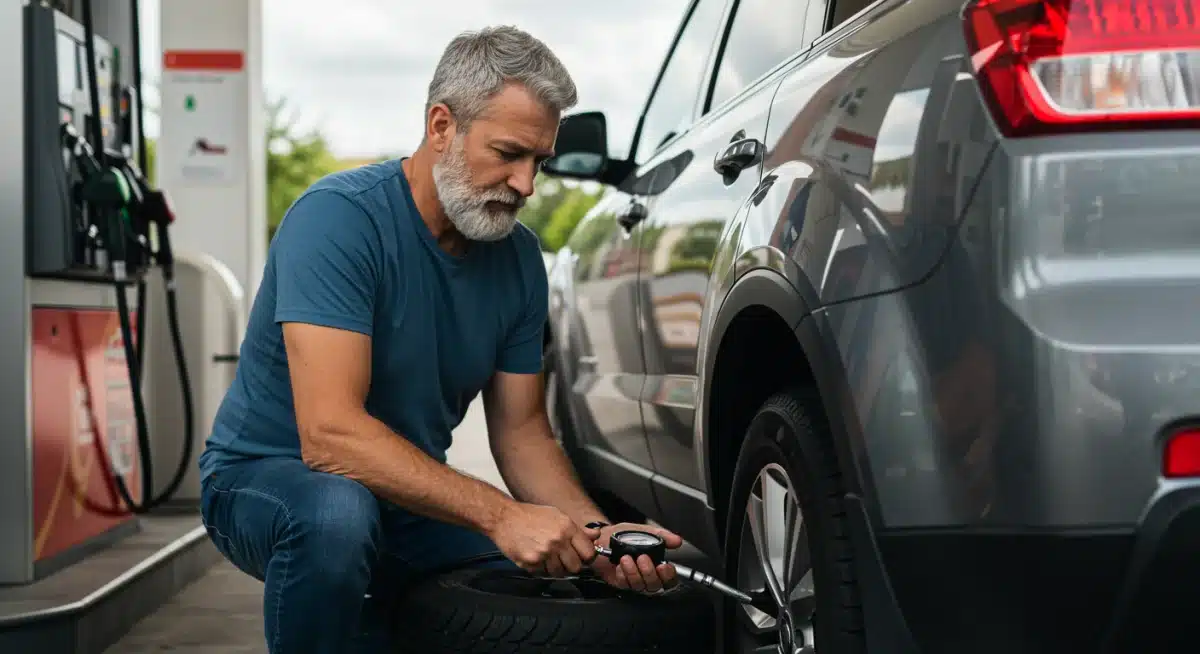
Before embarking on any journey, a thorough pre-trip inspection can identify potential problems early. This includes checking tire pressure, fluid levels (oil, coolant, brake fluid), and ensuring all lights are functional.
- Check tire pressure and tread depth
- Verify all fluid levels are adequate
- Test headlights, tail lights, and turn signals
A quick but comprehensive review of these fundamental components can save considerable time and stress later. It’s a small investment of time that yields significant safety dividends.
Beyond the basics, consider inspecting belts, hoses, and battery terminals for any signs of wear or corrosion. Addressing these issues proactively ensures your vehicle operates at peak performance, minimizing the risk of unexpected failures.
Building Your 2026 Emergency Roadside Kit
A well-stocked emergency kit is a non-negotiable aspect of Road Emergency Preparedness. This kit should be tailored to your specific travel needs, considering the climate, duration of your trip, and the number of passengers.
Beyond the standard items, think about specific scenarios you might encounter, such as remote travel or adverse weather conditions. Customizing your kit makes it far more effective when an actual emergency arises.
Regularly reviewing and updating the contents of your kit ensures that all items are functional and relevant. This proactive management is crucial for maintaining readiness for any unexpected event on the road.
Key Components for Rapid Response
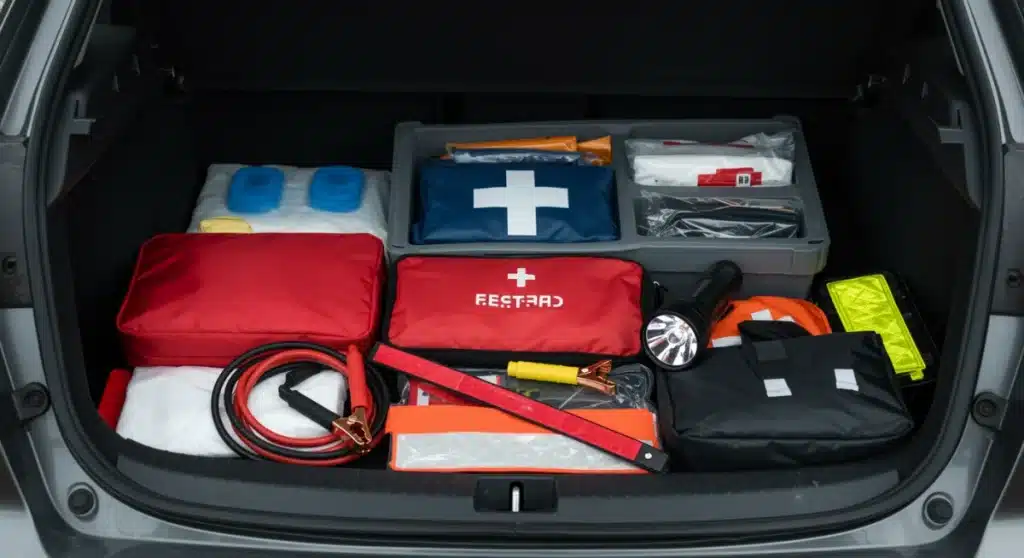
For handling unexpected travel disruptions in under 30 minutes, certain items are indispensable. These include jumper cables, a portable air compressor, a basic tool kit, and reflective warning triangles.
Every well-equipped trunk should house a set of reliable jumper cables to resolve battery issues without needing to wait for a tow truck.
Supplementing this with a portable air compressor allows you to handle tire emergencies and pressure drops on the fly, keeping your vehicle stable and efficient.
Rounding out your gear with a basic tool kit for minor repairs empowers you to tighten loose fittings or make quick adjustments that prevent small mechanical hiccups from stalling your journey.
These items empower you to address common roadside issues quickly, often allowing you to continue your journey without waiting for external assistance. Their presence is a testament to sound Road Emergency Preparedness 2026.
First Aid and Personal Safety Essentials
No emergency kit is complete without a comprehensive first aid kit and personal safety items. This includes bandages, antiseptic wipes, pain relievers, and any personal medications you or your passengers might need.
Personal safety items like a whistle, a multi-tool, and an emergency blanket can also prove invaluable. These provisions address immediate health concerns and enhance overall safety during an incident.
Ensuring these items are easily accessible and up-to-date is just as important as having them. A well-organized first aid kit can make a critical difference in an emergency situation.
Communication and Navigation in Emergencies
Effective communication and reliable navigation are critical during any roadside emergency. Having multiple ways to contact help and find your way ensures you’re never truly stranded, even in remote areas.
Smartphones are invaluable, but backup options like a car charger, portable power bank, or even a traditional map are essential. Relying solely on one device can be risky if battery life or signal strength becomes an issue.
This multi-faceted approach to communication and navigation forms a robust layer of your Road Emergency Preparedness strategy. It guarantees that you can reach out for assistance and orient yourself when needed.
Redundant Communication Systems
Beyond your cell phone, consider carrying alternative communication methods. A fully charged portable power bank is a must, but also think about a satellite messenger for areas without cell service, or even a CB radio for long-distance travel.
- Portable power bank for phone charging
- Satellite messenger for remote areas
- CB radio for group travel or specific routes
These redundant systems ensure that you can always make contact, whether it’s for a simple update or a critical emergency call. They are vital for comprehensive Road Emergency Preparedness 2026.
Having a list of emergency contacts, including family members, roadside assistance, and local emergency services, readily available is also crucial. This saves precious time during a stressful incident, allowing for swift action.

Managing Unexpected Disruptions in Under 30 Minutes
The goal of effective Road Emergency Preparedness 2026 is to resolve minor disruptions quickly, ideally within 30 minutes. This requires both the right tools and the knowledge to use them efficiently.
From changing a flat tire to jump-starting a dead battery, knowing basic vehicle troubleshooting can prevent long delays. Training yourself in these simple procedures is a significant advantage.
Practicing these skills periodically, perhaps during a casual afternoon, builds confidence and reduces panic when a real situation arises. This readiness is what defines successful emergency management.
Quick Fixes for Common Issues
Many common roadside problems have relatively quick solutions if you’re prepared. A flat tire can be replaced with a spare, or temporarily sealed with a tire repair kit, in a matter of minutes.
Mastering these basic mechanical skills starts with learning how to change a flat tire efficiently to get back on the move without unnecessary delay. For minor damage, knowing how to use a tire repair kit for small punctures offers a quick, reliable fix that can save a trip to the shop.
Additionally, learning to jump-start a dead battery with confidence ensures you remain self-sufficient and never end up stranded in an empty parking lot.
These rapid response capabilities are central to minimizing downtime and stress during travel. They embody the practical application of Road Emergency Preparedness 2026 principles.
Prioritizing Safety During an Incident
Regardless of the issue, personal safety should always be the top priority. This means moving your vehicle to a safe location if possible, activating hazard lights, and setting up reflective warning devices.
Wearing a high-visibility vest, especially at night, greatly increases your visibility to other drivers. These immediate safety measures protect you and your passengers from further harm while you address the disruption.
Ensuring your safety before attempting any repairs or calling for assistance is a fundamental rule of emergency response. It’s a critical step in any robust Road Emergency Preparedness 2026 plan.
Adapting to Various Weather Conditions
Weather is an unpredictable factor that significantly impacts road safety and necessitates specific preparedness measures. Different climates and seasons demand distinct emergency kit adjustments and driving strategies.
Preparing for heavy rain, snow, ice, or extreme heat goes beyond just packing extra clothes; it involves specialized equipment and knowledge. Understanding how your vehicle performs in these conditions is also crucial.
This adaptive approach ensures that your Road Emergency Preparedness 2026 plan remains effective, regardless of the meteorological challenges you might face. It’s about being ready for anything Mother Nature throws your way.
Winter Weather Preparedness
For winter travel, a dedicated emergency kit is essential. This should include items like a snow shovel, sand or kitty litter for traction, warm blankets, and extra layers of clothing.
- Snow shovel and ice scraper
- Sand or kitty litter for tire traction
- Warm blankets and extra clothing layers
Checking your vehicle’s antifreeze levels and ensuring your battery is in good condition are also critical winter maintenance tasks. These steps are vital for effective Road Emergency Preparedness 2026 in cold climates.
Summer and Heatwave Strategies
Conversely, summer travel in hot climates requires preparation for heat-related issues. Carrying ample water, sun protection, and checking your vehicle’s cooling system are paramount.
Overheating is a common summer breakdown, so ensure your coolant is at the correct level and your radiator is clean. These preventive measures can save you from being stranded in sweltering conditions.
Hydration and protecting yourself from sun exposure are also key personal safety considerations during hot weather emergencies. This holistic approach is integral to modern Road Emergency Preparedness 2026.
Insurance and Roadside Assistance Plans
While physical preparedness is crucial, having robust insurance and a reliable roadside assistance plan provides a vital safety net. These services can alleviate significant financial and logistical burdens during an emergency.
Reviewing your policy annually ensures that your coverage remains adequate for your travel habits and vehicle. Understanding what your plan includes, and any limitations, is a critical step in smart planning.
Investing in a comprehensive roadside assistance membership can offer peace of mind, knowing that professional help is just a call away. This financial foresight is a key component of comprehensive Road Emergency Preparedness 2026.
Understanding Your Coverage Details
Take the time to read the fine print of your auto insurance policy and roadside assistance membership. Know your deductible, what types of incidents are covered, and the maximum towing distance included.
Your insurance policy should clearly outline your coverage limits for towing and repairs, ensuring you aren’t left with unexpected out-of-pocket expenses after a breakdown.
It is equally important to verify the availability of rental car reimbursement so your itinerary stays on track while your vehicle is in the shop.
Finally, always keep the direct contact information for emergency services readily accessible to ensure help is just a call away when you need it most.
This detailed understanding prevents unpleasant surprises and ensures you can leverage your benefits effectively when an emergency strikes. It’s a fundamental aspect of efficient Road Emergency Preparedness 2026.
Many credit card companies and vehicle manufacturers also offer complimentary roadside assistance. Checking for these hidden benefits can sometimes save you from purchasing an additional plan, optimizing your resources.
Training and Digital Resources for Drivers
Beyond physical tools, knowledge and access to digital resources are powerful components of Road Emergency Preparedness. Knowing how to react in an emergency is as important as having the right equipment.
Participating in basic vehicle maintenance workshops or online courses can empower drivers with practical skills. These educational opportunities build confidence and reduce reliance on external assistance for minor issues.
Leveraging mobile applications for navigation, weather alerts, and emergency services also enhances overall preparedness. These digital tools provide real-time information and support, making them indispensable for modern travel.
Essential Mobile Applications
Several mobile apps can be invaluable for emergency preparedness. These include apps for roadside assistance, real-time traffic and weather updates, and even offline maps for areas with poor connectivity.
- Roadside assistance apps (e.g., AAA, manufacturer-specific)
- Weather and traffic alert applications
- Offline map applications for navigation
Keeping these apps updated and familiarizing yourself with their features before a trip ensures their effectiveness during an actual emergency. They are critical elements of contemporary Road Emergency Preparedness 2026.
Consider downloading digital copies of your vehicle’s owner’s manual and insurance information onto your phone. This provides quick access to crucial data even if physical documents are lost or inaccessible.
| Key Preparedness Area | Brief Description |
|---|---|
| Vehicle Maintenance | Regular checks of tires, fluids, and lights prevent breakdowns. |
| Emergency Kit | Essential tools, first aid, and survival items for rapid response. |
| Communication & Navigation | Multiple devices and maps ensure contact and orientation. |
| Roadside Assistance | Insurance and service plans provide professional help and peace of mind. |
Frequently Asked Questions on Road Emergency Preparedness 2026
For Road Emergency Preparedness 2026, critical items include jumper cables, a portable air compressor, a first-aid kit, a flashlight with extra batteries, reflective triangles, and a multi-tool. Additionally, consider a portable power bank and a satellite messenger for enhanced communication in remote areas. These items address common issues and ensure basic safety.
You should conduct a thorough vehicle inspection at least twice a year, ideally before long trips or seasonal changes. However, regular checks of tire pressure, fluid levels, and lights should occur monthly. This consistent vigilance is a cornerstone of effective Road Emergency Preparedness 2026, preventing minor issues from escalating into major problems on the road.
Absolutely. Technology plays a pivotal role in modern Road Emergency Preparedness 2026. GPS navigation with real-time traffic, weather apps, and roadside assistance applications provide critical information and support. Portable power banks ensure device functionality, while satellite messengers offer communication in areas without cellular service. These tools enhance safety and response efficiency significantly.
If you break down in a remote area, prioritize safety: move off the road if possible, turn on hazard lights, and deploy reflective warning devices. Use a satellite messenger or a fully charged phone to call for help, even if it’s just to share your location. Conserve fuel and battery, and stay with your vehicle for visibility and shelter, as advised for Road Emergency Preparedness 2026.
Yes, roadside assistance is a highly recommended investment for Road Emergency Preparedness 2026. It provides professional help for common issues like flat tires, dead batteries, and towing, often saving significant time and expense. Many plans offer additional benefits such as trip interruption coverage. It offers peace of mind and a reliable safety net for unexpected travel disruptions.
Looking Ahead: Enhancing Your Travel Resilience
The imperative for robust Road Emergency Preparedness 2026 continues to grow as travel patterns evolve and external factors become more unpredictable. The insights and strategies outlined here are not static; they represent a foundational approach to ongoing safety.
Drivers are encouraged to regularly reassess their preparedness kits, stay informed about vehicle advancements, and update their knowledge of emergency protocols. This continuous adaptation ensures resilience against a spectrum of potential travel disruptions.
By embracing these proactive measures, travelers can significantly enhance their safety and confidence on the road, turning potential crises into manageable inconveniences. The future of travel demands smart, informed, and ready individuals.