Navigating International Layover Strategies: Insider Tips for Maximizing Time and Comfort During 6+ Hour Stops in 2026

A 6-hour stopover doesn’t have to be a test of endurance between uncomfortable terminal seats. Mastering international layover strategies in 2026 means transforming these lengthy gaps into a seamless extension of your vacation.
With the rise of AI-driven transit hubs and expanded biometric border zones, long-haul connections are becoming increasingly sophisticated. Smart travelers now leverage automated lounge access and high-speed transit pods to prioritize relaxation over terminal fatigue.
This year, navigating global flight connections involves more than just finding a gate; it’s about utilizing real-time digital concierge tools.
From pre-booked wellness suites to optimized visa-free city excursions, the modern traveler’s mid-journey experience is undergoing a total evolution.
Understanding the Evolving Landscape of International Layovers in 2026
As global travel resumes and evolves, international layover strategies are becoming increasingly critical for passengers facing extended stops.
The year 2026 brings new considerations, including enhanced security protocols and changes in airport services, demanding proactive planning from travelers.
Maximizing comfort and efficiency during these longer transit periods is no longer a luxury but a necessity, especially for stops exceeding six hours. Travelers must adapt to these shifts to ensure a seamless and enjoyable journey, avoiding unnecessary stress and fatigue.
This guide offers actionable insights and verified information to help you master your next international layover, transforming potential inconveniences into opportunities for rest or exploration.
Effective international layover strategies can significantly improve your overall travel experience.
Pre-Planning Essentials: Visa, Connectivity, and Airport Amenities
Before your journey begins, crucial pre-planning steps can significantly impact your layover experience. Understanding visa requirements for your transit country is paramount, as some nations demand a transit visa even if you don’t intend to leave the airport.
Investigating airport amenities beforehand allows you to strategically plan your time, whether you seek relaxation, productivity, or exploration. Wi-Fi availability, charging stations, and lounge access are key factors in maintaining comfort and connectivity.
Finally, researching local transportation options and potential short excursions, if permitted by your visa and schedule, can turn a long wait into an unexpected adventure. Effective international layover strategies start long before you reach the airport.
Visa and Entry Requirements: Navigating Transit Regulations
Many countries have specific visa regulations for transit passengers, even if you are only passing through. Failing to secure the correct documentation can lead to significant delays or even denied boarding, highlighting the importance of thorough research.
Always check the official government websites of your transit countries well in advance of your departure date. These requirements can change, so rely only on the most current and authoritative information available.
- Verify transit visa necessity based on your nationality and destination.
- Understand the validity period of any required transit visas.
- Keep all necessary documents easily accessible, including passport and visa.
Airport Research: Unlocking Comfort and Convenience
Each major international airport offers a unique set of amenities designed to cater to transit passengers. From luxurious lounges to dedicated rest zones, knowing what’s available can drastically improve your layover experience.
Online airport guides and official airport websites are invaluable resources for this research. They often detail services like showers, spas, gyms, and even short-stay hotels within the terminal, which are vital for long international layover strategies.
- Identify available lounges and their access requirements (e.g., airline status, credit card).
- Locate quiet zones, sleeping pods, or pay-per-use rest areas.
- Pinpoint amenities like free Wi-Fi, charging stations, and dining options.
Maximizing Comfort During Extended Stays
For layovers exceeding six hours, prioritizing comfort becomes essential to mitigate travel fatigue and prepare for your next flight. Strategic use of airport facilities can transform a potentially grueling wait into a restorative break.
This involves more than just finding a comfortable chair; it means actively seeking out opportunities for rest, hygiene, and nourishment. Thoughtful preparation can make a significant difference in maintaining energy levels and overall well-being.
Consider packing essentials specifically for your layover, such as a change of clothes, toiletries, and entertainment, to enhance your personal comfort. These are key international layover strategies for a positive travel experience.
Lounge Access and Alternative Rest Options
Airport lounges offer a sanctuary from the bustling terminal, providing comfortable seating, complimentary food and beverages, and often shower facilities. Access can be obtained through airline status, specific credit cards, or by purchasing a day pass.
For those without lounge access, many airports now feature dedicated quiet zones, sleeping pods, or even capsule hotels. These alternatives provide a much-needed opportunity for privacy and rest, crucial for long international layover strategies.
Researching these options in advance allows you to secure a spot, especially during peak travel times, ensuring you have a plan for relaxation. Knowing your options empowers you to make the most of your extended wait.
Staying Fresh: Showers, Hygiene, and Dressing Comfortably
After a long flight, a shower can dramatically improve your mood and energy. Many airport lounges offer shower facilities, and some airports provide standalone pay-per-use showers, making it easy to refresh.
Packing a small toiletry kit with essentials like a toothbrush, toothpaste, and deodorant is invaluable. A change of clothes, particularly comfortable layers, can also contribute significantly to your overall well-being during a long layover.
Prioritizing personal hygiene and comfort helps combat the effects of long-haul travel, ensuring you arrive at your final destination feeling more refreshed. These small considerations are vital components of effective international layover strategies.
Productivity and Entertainment During Your Layover
A long layover doesn’t have to be wasted time; it can be an opportunity for productivity or leisure, depending on your preferences. With careful planning, you can transform hours of waiting into a valuable part of your journey.
Whether catching up on work, enjoying a new book, or exploring airport attractions, utilizing your time effectively can enhance your travel experience. The key is to have a plan and the right tools at your disposal.
From reliable Wi-Fi to comfortable workspaces, airports are increasingly catering to the diverse needs of modern travelers, making international layover strategies more versatile. This allows you to make the most of your time between flights.
Connectivity and Workspaces: Staying Productive
Reliable internet access is crucial for both work and communication during a layover. Many airports offer free Wi-Fi, though speeds and reliability can vary, making a backup plan like a portable hotspot a wise consideration.
Dedicated business centers or quiet corners in lounges provide suitable environments for remote work. Ensuring your devices are fully charged and carrying portable power banks are essential for uninterrupted productivity.
These resources allow you to manage emails, attend virtual meetings, or complete tasks, ensuring your work doesn’t fall behind while you travel. Integrating productivity into international layover strategies can ease travel stress.
Entertainment Options: From Reading to Retail Therapy
Beyond work, airports offer a plethora of entertainment options to pass the time. Duty-free shopping, bookstores, and diverse dining establishments are common features in international terminals.
Consider downloading movies, podcasts, or e-books before your trip to ensure offline entertainment. Some airports even feature art installations, museums, or observation decks, providing unique cultural experiences.
To ensure a seamless transition between flights, you can enhance your wait by preparing a curated playlist of music or podcasts designed for deep relaxation.
Beyond digital entertainment, take the opportunity to wander through the terminal to explore airport-specific attractions, such as hidden art galleries or lush indoor gardens.
Finally, make the most of your downtime by indulging in some duty-free shopping or discovering unique local souvenirs that capture the essence of your transit destination.
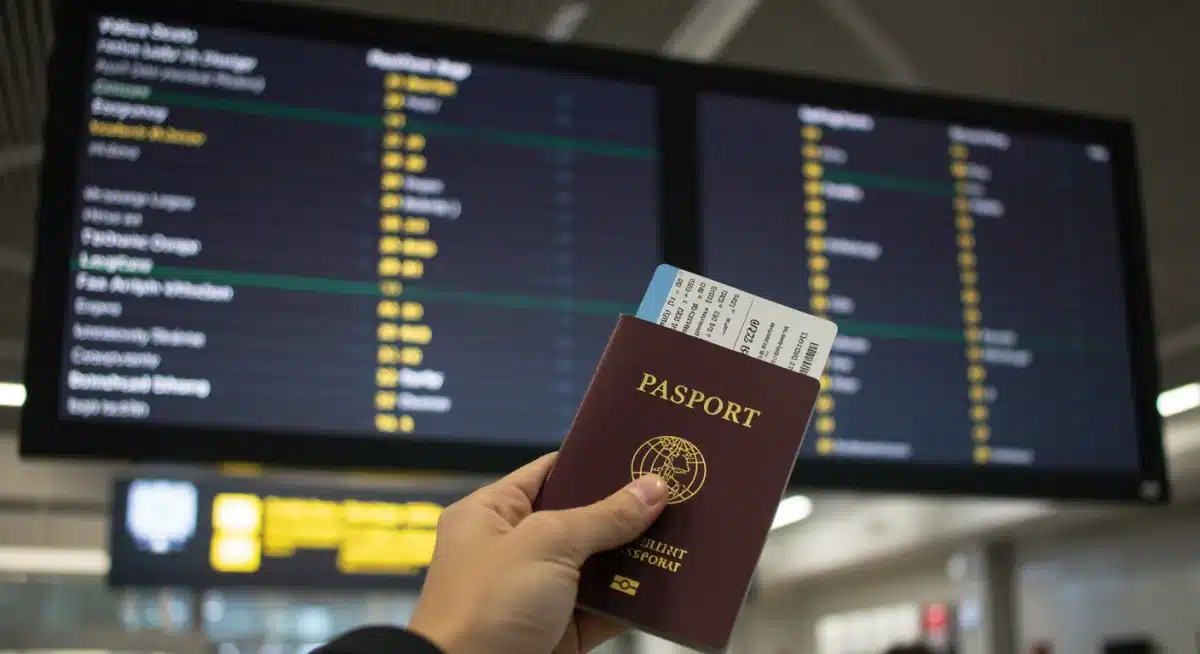
Strategic Excursions and Airport Hotels
For very long layovers, typically 8+ hours, and with appropriate visa arrangements, a strategic excursion outside the airport can be a refreshing change. Many major international hubs are located near city centers or attractions, offering quick sightseeing opportunities.
Alternatively, booking an airport hotel, either within the terminal or nearby, can provide a much-needed comfortable rest.
These options require careful time management and an understanding of local transportation. Successfully implementing international layover strategies often involves balancing rest and exploration.
Always factor in buffer time for security checks and potential traffic delays to avoid missing your connecting flight. This ensures that any off-airport adventure remains stress-free and enjoyable.
Short City Tours: When and How to Venture Out
Carefully assess the time available, immigration lines, and transport efficiency before deciding on a city excursion. A minimum of 8-10 hours is usually recommended to comfortably leave the airport and return, making it a viable part of international layover strategies.
Many airports offer organized city tours specifically for transit passengers, which can be an efficient and safe way to explore. These tours are designed to fit within common layover durations and often include return airport transfers.
Ensure you have the necessary local currency and a clear understanding of your return journey to the airport. This proactive approach prevents last-minute stress and allows for genuine enjoyment of your brief exploration.
Airport Hotels: Rest and Recharge Options
Booking an airport hotel room, whether inside the terminal or a short shuttle ride away, provides a private space to fully relax and recharge. This is particularly valuable for overnight layovers or if you prioritize undisturbed sleep.
Many airport hotels offer day-use rates, allowing you to book a room for several hours during the day without committing to an overnight stay. This flexibility supports various international layover strategies, catering to different needs.
- Check for in-terminal hotels for maximum convenience.
- Inquire about day-use rates for shorter rest periods.
- Confirm shuttle service availability and frequency for off-site hotels.
Health, Wellness, and Staying Hydrated
Maintaining your health and well-being during international travel, especially during long layovers, is paramount. The confined spaces of an airplane and the stress of travel can take a toll, making proactive self-care essential.
Prioritizing hydration, healthy eating, and light physical activity can significantly reduce the impact of jet lag and fatigue. These wellness practices are integral to effective international layover strategies, ensuring you arrive at your destination feeling your best.
Taking moments for mindfulness or stretching can also contribute to a more pleasant and energizing transit experience. Focus on your physical and mental state to optimize your journey.
Hydration and Nutrition: Beating Travel Fatigue
Dehydration is a common issue during air travel, exacerbated by long layovers. Consistently drinking water and avoiding excessive caffeine or alcohol are crucial for staying hydrated and alert.
While airport food can be tempting, opt for healthier, lighter meal options to avoid feeling sluggish. Many airports now offer fresh salads, fruits, and nutritious snacks, supporting your wellness goals.
Carrying your own reusable water bottle, which you can refill after security, is an eco-friendly and cost-effective way to ensure constant hydration. These small habits are powerful international layover strategies.
Movement and Mindfulness: Combating Stiffness and Stress
Long periods of sitting can lead to stiffness and discomfort. Take advantage of your layover to walk around the terminal, stretch, or even find a quiet spot for some light yoga or meditation.
Many airports feature dedicated walking paths or even small gym facilities, providing opportunities for physical activity. Even a brisk walk can improve circulation and boost your energy levels.
To keep your circulation flowing and energy levels high, take a brisk walk around the terminal to stretch your legs while exploring the unique architecture of the hub. Complement this movement by performing simple stretches to alleviate muscle stiffness caused by cramped cabin seating.
To round out your physical recovery, practice mindfulness or a brief meditation session, which effectively reduces travel stress and resets your focus for the next leg of your journey.
Security Protocols and Re-boarding Process
Navigating security checks and understanding the re-boarding process are critical components of successful international layover strategies. Security procedures can vary between airports and even terminals, requiring travelers to remain vigilant and prepared.
Allow ample time for security screenings, especially during peak travel periods, to avoid unnecessary stress and rushing. Being organized with your documents and belongings can expedite the process significantly.
Familiarize yourself with your gate number and boarding time well in advance, and monitor any potential changes to ensure a smooth transition to your next flight. These steps are vital for managing your international layover effectively.
Navigating Airport Security: Tips for a Smooth Passage
Security checkpoints are an unavoidable part of international travel. Be prepared by having your passport and boarding pass readily available and by following all instructions from security personnel. This helps ensure efficient international layover strategies.
Remember to remove electronics from your carry-on and place liquids in clear, quart-sized bags, adhering to TSA guidelines. Wearing easily removable shoes can also save time at the checkpoint.
Even if you are only transiting, you may need to go through security again, especially if you change terminals or leave the secure area. Always factor this into your time calculations.
Monitoring Flight Status and Gate Changes
Flight schedules can change, and gates can be reassigned without much notice. Regularly check airport information screens, airline apps, or sign up for flight status alerts to stay informed.
Having your airline’s app downloaded on your smartphone can provide real-time updates and notifications directly to your device. This proactive approach is a cornerstone of intelligent international layover strategies.
- Download your airline’s mobile app for real-time updates.
- Regularly check airport display boards for gate changes.
- Sign up for SMS or email flight status notifications.

Emergency Preparedness and Contingency Plans
Despite meticulous planning, unforeseen circumstances can arise during international travel, making emergency preparedness crucial. Having contingency plans in place can alleviate stress and help you navigate unexpected disruptions effectively.
This includes knowing who to contact, having access to important documents, and understanding your rights as a passenger. Being prepared for the unexpected is a hallmark of resilient international layover strategies.
A well-thought-out contingency plan ensures that you can respond calmly and efficiently to any challenges that may arise, safeguarding your journey. This proactive mindset is invaluable for peace of mind.
What to Do in Case of Delays or Cancellations
Flight delays or cancellations during a layover can be frustrating, but knowing your rights can empower you. Familiarize yourself with your airline’s policies regarding compensation, rebooking, and accommodation.
Contact your airline’s customer service immediately, either via phone, app, or at the service desk. Having travel insurance that covers delays and cancellations can also provide significant financial protection.
Remain calm and explore all available options, including alternative flights or routes. These steps are vital for managing disruptions within your international layover strategies.
Essential Contacts and Document Accessibility
Keep a list of essential contacts, including your airline’s customer service, your travel insurance provider, and family members, easily accessible. This ensures you can quickly reach out for assistance when needed.
Store digital copies of your passport, visa, flight tickets, and hotel reservations on your phone or in a cloud service. A physical copy in a separate bag is also a good backup for robust international layover strategies.
- Carry physical and digital copies of all vital travel documents.
- Save emergency contact numbers in your phone and as a written list.
- Know your travel insurance policy details and how to file a claim.
| Key Strategy | Brief Description |
|---|---|
| Pre-Planning Visas | Check transit visa requirements for all layover countries. |
| Maximize Comfort | Utilize lounges, sleeping pods, and shower facilities. |
| Stay Hydrated | Drink plenty of water and choose healthy food options. |
| Plan for Delays | Know airline policies and have essential contacts ready. |
Frequently Asked Questions About International Layovers
For most international travelers, a layover of at least 8 to 10 hours is ideal to comfortably consider leaving the airport for a brief excursion. This duration allows for immigration, travel to and from the city, and sufficient time for sightseeing while accounting for potential delays. Always check visa requirements first.
No, transit visas are not always required, but it largely depends on your nationality and the transit country’s regulations. Some countries offer visa-free transit for certain nationalities, while others strictly enforce transit visa requirements even if you don’t intend to leave the airport. Always verify official requirements.
The best ways to sleep during a layover include utilizing airport lounges that offer designated rest areas or sleeping pods. Some airports also have in-terminal hotels or nearby hotels with day-use rates. Investing in a good travel pillow, eye mask, and earplugs can also significantly improve comfort in general seating areas.
To stay entertained and productive, ensure your devices are charged and you have downloaded offline content like movies, books, or podcasts. Utilize airport Wi-Fi for work or communication, and explore airport amenities like shops, restaurants, or even unique attractions such as art exhibits. A portable power bank is highly recommended.
If your connecting flight is delayed or canceled, immediately contact your airline’s customer service via their app, phone, or at the service desk. Understand your passenger rights regarding rebooking, accommodation, and compensation. Having travel insurance can also provide crucial support during such disruptions, so review your policy.
Looking Ahead
The landscape of international travel, including the nuances of international layover strategies, continues to evolve rapidly. As 2026 progresses, travelers must remain agile, adapting to new regulations and leveraging technological advancements to enhance their journey.
This requires continuous monitoring of official advisories and airline policies, ensuring preparedness for any eventuality.
The informed traveler is the empowered traveler, especially when navigating international layover strategies becomes a critical aspect of their global adventures.
Future developments will undoubtedly bring further innovations in airport services and passenger support, making proactive engagement with travel information more important than ever.