Efficient Packing: A 2026 Guide for 7-Day Trips to Minimize Baggage Fees by 15%
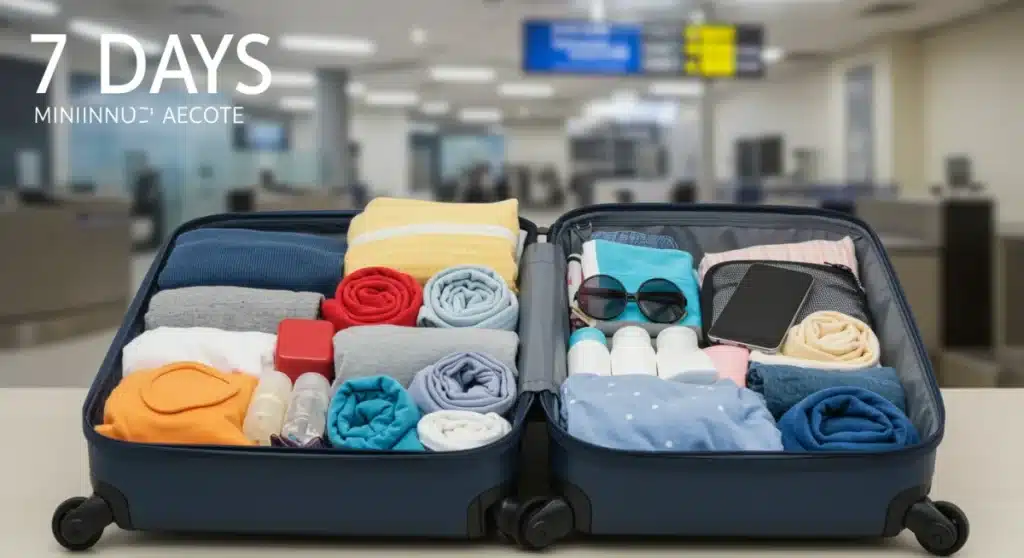
In an era of skyrocketing airline surcharges, mastering efficient packing is no longer just a luxury, it’s a financial strategy. By optimizing your suitcase today, you can reclaim your travel budget and bypass the check-in counter entirely.
Streamlining your belongings requires a mix of minimalist curation and smart spatial management. This updated approach focuses on versatile wardrobe choices and lightweight gear to help you navigate 2026’s strictest weight limits with ease.
Adopting these strategic stowage techniques ensures you stay under the radar of rising overhead bin fees. Let’s dive into the innovative methods that will shrink your luggage footprint and cut your travel expenses by 15%.
Understanding 2026 Baggage Fee Landscape
The landscape of airline baggage fees is continuously evolving, with 2026 projected to see further adjustments and potential increases across major carriers. Travelers must remain informed about these changes to avoid unexpected costs at the airport.
Airlines are increasingly relying on ancillary fees, including those for checked luggage, as a significant revenue stream. This trend necessitates a proactive approach to packing, focusing on carry-on solutions and weight reduction.
Industry analysis indicates that a 15% reduction in baggage fees for 7-day trips is an achievable target with proper planning and adherence to updated packing strategies. This requires a shift in mindset from traditional packing habits.
Airline Policy Updates for 2026
Several major airlines have already signaled upcoming revisions to their baggage policies, particularly concerning weight and dimension restrictions for both checked and carry-on bags. These changes are expected to be fully implemented by early 2026.
Travelers are advised to consult their specific airline’s website well in advance of their departure date to review the most current regulations. Overlooking these details can lead to substantial last-minute charges, undermining efforts in efficient packing.
- Verify carry-on dimensions and weight limits for your specific airline.
- Note any changes in checked bag allowances and associated fees.
- Be aware of policies regarding personal items and their size restrictions.
Strategic Wardrobe Planning for 7 Days
Effective wardrobe planning is the cornerstone of efficient packing for a 7-day trip, allowing travelers to minimize clothing volume without sacrificing style or comfort. The goal is to create a versatile collection of garments that can be mixed and matched.
This approach emphasizes multi-functional items and a cohesive color palette, enabling a greater number of outfit combinations from fewer pieces. Careful selection reduces overall weight and frees up valuable space in your luggage.
Consider the climate and activities planned for your destination, prioritizing items that are lightweight, quick-drying, and resistant to wrinkles. This strategic selection is paramount to avoiding unnecessary bulk.
The Capsule Wardrobe Approach
Adopting a capsule wardrobe for your 7-day trip involves selecting a limited number of interchangeable clothing items that complement each other. This method ensures you have an appropriate outfit for every occasion, from casual sightseeing to more formal dinners.
Focus on neutral colors with one or two accent pieces, allowing for maximum versatility. For example, three bottoms, five tops, and one layering piece can create numerous unique looks for a week-long journey, significantly aiding efficient packing.
To maximize your luggage space, start by choosing a core color scheme such as black, navy, or grey for your main items, which ensures every piece coordinates effortlessly.
Complement this base by incorporating versatile layering pieces like a light jacket or cardigan to adapt to changing temperatures without adding bulk.
Finally, prioritize selecting fabrics that are lightweight, wrinkle-resistant, and quick-drying to keep your wardrobe functional and fresh throughout the week.
Advanced Packing Techniques to Save Space
Beyond selecting the right items, how you pack them plays a critical role in maximizing space and minimizing luggage size. Utilizing advanced packing techniques can dramatically reduce the bulk of your belongings.
These methods are designed to compress items and fill every available crevice in your suitcase, making the most of limited space. Mastering these techniques is essential for achieving the targeted 15% reduction in baggage fees.
From rolling clothes tightly to employing specialized packing aids, every technique contributes to a more compact and manageable travel bag. This meticulous approach is central to effective efficient packing.
Rolling vs. Folding Debate Resolved
The long-standing debate between rolling and folding clothes for packing often leans towards rolling for space efficiency and wrinkle prevention. Tightly rolled garments occupy less space and are less prone to deep creases than folded items.
When rolling, ensure items are smoothed out before rolling tightly to minimize wrinkles. This technique is particularly effective for t-shirts, jeans, and casual wear, making it a cornerstone of efficient packing.
Mastering spatial efficiency begins by rolling soft items like t-shirts, socks, and underwear, a method that minimizes creases while filling every gap in your bag. For structured attire, carefully fold stiffer pieces such as blazers or formal shirts to preserve their shape and prevent heavy wrinkling.
For your most delicate or tailored garments, utilize the “bundle” method, wrapping them around a central core of soft clothes to create a tension-free cushion that ensures you arrive looking sharp.
Leveraging Packing Aids and Gadgets
The market offers a wide array of packing aids and gadgets specifically designed to enhance organization and compress contents. Integrating these tools into your packing routine can significantly contribute to efficient packing.
From compression bags to versatile travel containers, these accessories help optimize every inch of your luggage. Their strategic use can make the difference between paying extra fees and enjoying a hassle-free journey.
Investing in quality packing aids is a smart move for frequent travelers looking to consistently minimize baggage weight and volume. They are invaluable for maintaining an organized and compact suitcase.
Essential Packing Cubes and Compression Bags
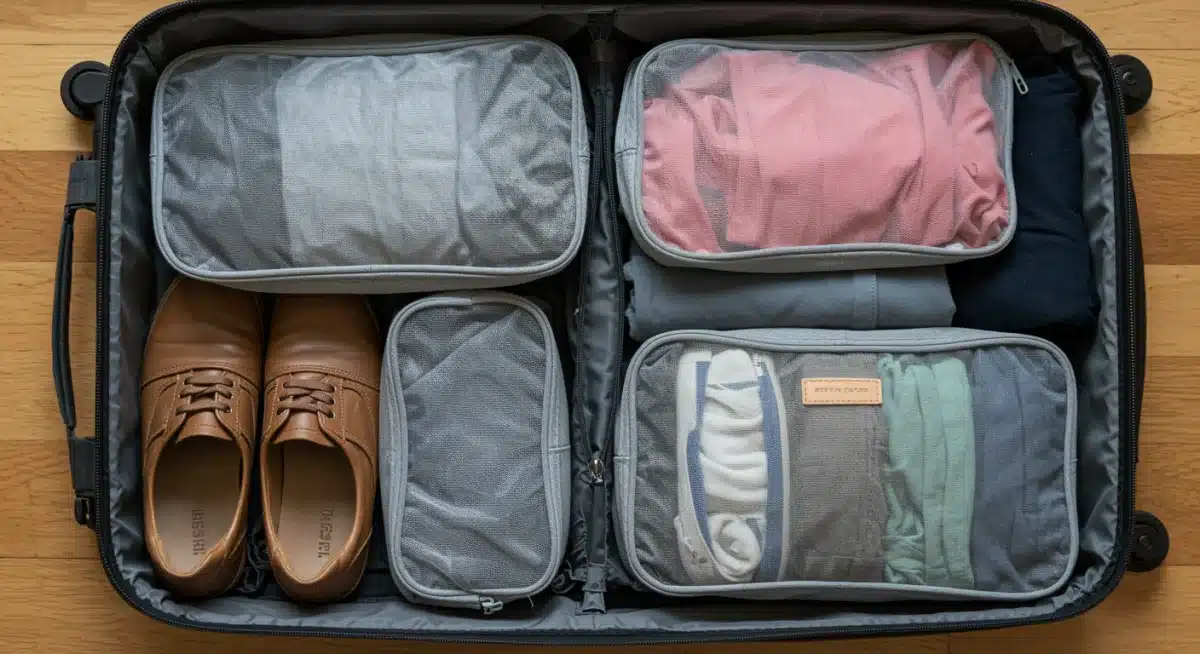
Packing cubes are indispensable for organizing clothes and keeping them compressed, making it easier to fit more into your bag. They allow you to categorize items, making unpacking and repacking a breeze, a vital aspect of efficient packing.
Compression bags, on the other hand, physically remove air from bulky items like sweaters or jackets, drastically reducing their volume. While they don’t reduce weight, they offer unparalleled space-saving capabilities.
To further optimize your organization, use packing cubes to group similar clothing items together, effectively creating a modular drawer system inside your suitcase. For seasonal or bulky apparel, employ compression bags to vacuum out excess air and reclaim valuable vertical space.
By selecting these cubes and bags in various sizes, you can customize your layout to fit different items perfectly, ensuring every square inch of your luggage is utilized efficiently.
Minimizing Toiletries and Personal Care Items
Toiletries often contribute substantial weight and volume to luggage, making their careful selection and packing crucial for efficient packing. Travelers should focus on travel-sized products and multi-purpose items.
Decanting liquids into smaller, reusable containers is an effective strategy to comply with TSA regulations and reduce unnecessary bulk. This approach also prevents leaks and spills, protecting other items in your bag.
Consider solid alternatives for common liquid toiletries, such as shampoo bars or solid deodorants, to further lighten your load. These small adjustments collectively make a big difference in baggage weight.
Travel-Sized and Multi-Purpose Products
Opting for travel-sized versions of your essential toiletries or decanting your regular products into reusable containers is a fundamental step. Most airlines have strict limits on liquid volumes in carry-on bags, typically 3.4 ounces (100ml) per container, which also helps in efficient packing.
Look for multi-purpose products, such as a shampoo and conditioner combination, or a tinted moisturizer that doubles as sunscreen. These items reduce the total number of products you need to carry, streamlining your personal care kit.
- Invest in a reusable travel toiletry kit with small bottles.
- Choose solid alternatives for shampoo, conditioner, and soap.
- Prioritize essential beauty products and leave non-essentials at home.
Smart Footwear and Accessory Choices
Footwear and accessories can quickly consume significant luggage space and add considerable weight if not chosen wisely. Selecting versatile and lightweight options is paramount for achieving efficient packing goals.
Limit yourself to two or three pairs of shoes that serve multiple purposes, such as comfortable walking shoes that can also be dressed up. Wear your bulkiest pair of shoes during travel to free up suitcase space.
When it comes to accessories, choose items that can transform an outfit without adding much bulk, like a versatile scarf or minimalist jewelry. This thoughtful selection supports lighter travel.
The Two-Pair Shoe Rule
For a 7-day trip, aim for a maximum of two to three pairs of shoes. One comfortable pair for walking and casual activities, and one slightly dressier pair that can be worn for evenings or more formal occasions. If a third pair is essential, make it a pair of sandals or flip-flops that are compact and lightweight.
Wearing your heaviest or bulkiest shoes on the plane is a classic trick to save space and weight in your luggage. This simple strategy can significantly contribute to minimizing baggage fees, a key component of efficient packing.
To save significant space inside your bag, make it a rule to wear your bulkiest shoes on travel days, keeping your heaviest footwear on your feet rather than in your luggage.
When deciding what to bring, choose versatile shoes that match multiple outfits to reduce the total number of pairs required for your trip.
For the items you do pack, always place them in dedicated shoe bags to keep your clean clothes protected from dirt and soles throughout your journey.
Digitalizing Documents and Entertainment
In an increasingly digital world, carrying physical documents and bulky entertainment items is often unnecessary and adds to luggage weight. Digitalizing these items is a crucial step towards efficient packing.
Utilize smartphones, tablets, and e-readers for maps, boarding passes, books, and movies. This significantly reduces the physical items you need to carry, contributing to a lighter bag.
Ensure all essential digital documents are backed up in cloud storage or accessible offline. This provides peace of mind and reduces reliance on physical copies, enhancing overall travel efficiency.
E-readers, Tablets, and Cloud Storage
Replace physical books and magazines with an e-reader or tablet. A single device can hold hundreds of books, guidebooks, and even movies, eliminating the need for heavy paperbacks and reducing luggage weight, which is vital for efficient packing.
Store copies of your passport, visa, flight tickets, hotel reservations, and travel insurance documents in cloud storage services like Google Drive or Dropbox. Access them easily from any device, anywhere in the world.
- Download offline maps and travel guides before your trip.
- Load your e-reader with books and magazines.
- Keep digital copies of all important travel documents accessible.
Mastering the Personal Item Strategy
The personal item, often an overlooked aspect of packing, can be a powerful tool in achieving efficient packing. Maximizing the use of this small bag can help you carry more essentials without incurring extra fees.
Many airlines allow a personal item in addition to a carry-on, provided it fits under the seat in front of you. This space is ideal for high-value items, travel documents, and in-flight necessities.
Strategically packing your personal item with heavier or bulkier essentials frees up space in your main carry-on. This dual-bag approach is key to circumventing additional baggage charges.
What to Pack in Your Personal Item
Your personal item should contain immediate necessities such as travel documents, medications, electronics (laptop, tablet), a light jacket, and a small toiletry bag. This ensures critical items are always within reach and reduces the weight of your main carry-on, supporting efficient packing.
Consider a backpack or a large tote bag that can comfortably fit under the seat. Ensure it’s not overstuffed, as airline personnel may check its size and weight. A well-packed personal item can make a significant difference in your packing strategy.
To ensure a stress-free journey, always keep your travel documents and identification in an easily accessible pocket for quick verification. Alongside your paperwork, pack all essential medications and a compact first-aid kit to handle unexpected health needs without a detour.
Finally, remember to include a fresh change of clothes in your personal item; this simple precaution guarantees you stay comfortable and prepared even if your main luggage faces a temporary delay.
Pre-Trip Weight Check and Adjustments
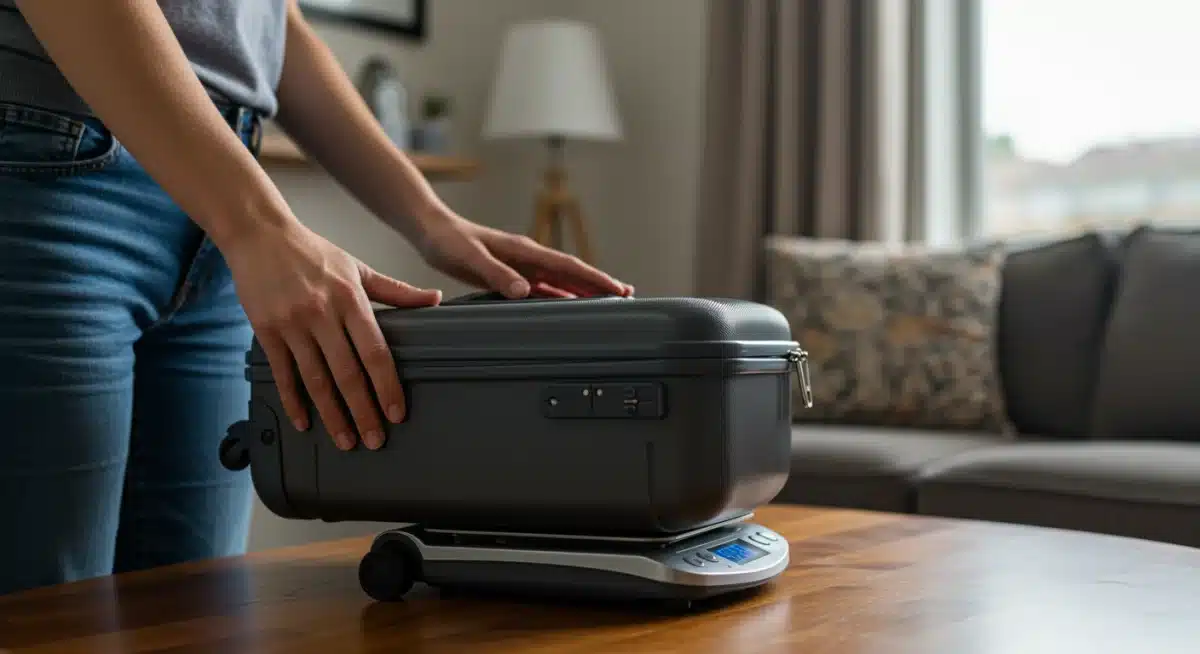
A crucial final step in efficient packing is conducting a pre-trip weight check. This ensures your luggage complies with airline restrictions before you even leave home.
Investing in a portable luggage scale allows for accurate measurements, preventing last-minute surprises at the airport. This proactive measure gives you time to make necessary adjustments without stress.
If your bag is overweight, identify non-essential items that can be removed or transferred to your personal item. This final review guarantees adherence to baggage limits and helps avoid unexpected fees.
Using a Portable Luggage Scale
Before heading to the airport, weigh your packed bags using a digital luggage scale. This simple tool provides immediate feedback, allowing you to confirm that your carry-on and personal item meet airline weight requirements. It’s an indispensable step for efficient packing.
If your bag is slightly over the limit, consider wearing heavier clothing items or distributing some weight into your travel companion’s bag, if applicable. These small adjustments can save you money and stress at the check-in counter.
- Always weigh your luggage at home before departure.
- Keep airline weight limits handy for quick reference.
- Be prepared to remove non-essentials if your bag is overweight.
| Key Strategy | Benefit for 7-Day Trips |
|---|---|
| Capsule Wardrobe | Maximizes outfit combinations from fewer items, reducing clothing volume. |
| Packing Cubes & Rolling | Compresses clothes, optimizes space, and keeps luggage organized. |
| Travel-Sized Toiletries | Reduces liquid weight and volume, adhering to carry-on regulations. |
| Personal Item Maximization | Allows carrying essential items outside main luggage, saving space. |
Frequently Asked Questions About Efficient Packing
The most effective method involves a combination of rolling clothes tightly, using packing cubes for compression and organization, and applying a capsule wardrobe strategy. This minimizes wrinkles and maximizes space, which is crucial for efficient packing. Prioritize versatile, lightweight fabrics.
To avoid baggage fees, focus on carry-on only travel. This means adhering strictly to airline size and weight limits for your carry-on and personal item. Strategic item selection, like multi-purpose clothing and digital documents, is key to successful efficient packing 2026.
Yes, packing cubes are highly recommended for efficient packing 2026. They help compress clothes, organize your luggage, and make it easier to find items without disturbing the entire bag. They are an excellent investment for any traveler aiming to optimize space.
Airline baggage fees in 2026 vary by carrier and route but typically range from $30-$70 for the first checked bag. Overweight or oversized bags incur significantly higher charges, making diligent efficient packing 2026 essential to avoid these costs.
For efficient packing 2026, it’s best to pack travel-sized toiletries or decant your products into reusable containers. While buying at your destination is an option, packing small amounts of your preferred brands ensures comfort and avoids potential waste or difficulty finding specific items.
What This Means
The continuous evolution of airline policies and the persistent rise in travel costs underscore the importance of efficient packing.
Travelers must adopt proactive strategies, from meticulous wardrobe planning to leveraging modern packing aids, to navigate the complexities of contemporary air travel.
The insights provided herein offer a clear roadmap for achieving significant cost savings and a more streamlined travel experience in the coming year and beyond, making every journey smarter and more economical.