2026 TSA Regulations: Navigating US Airport Travel Changes
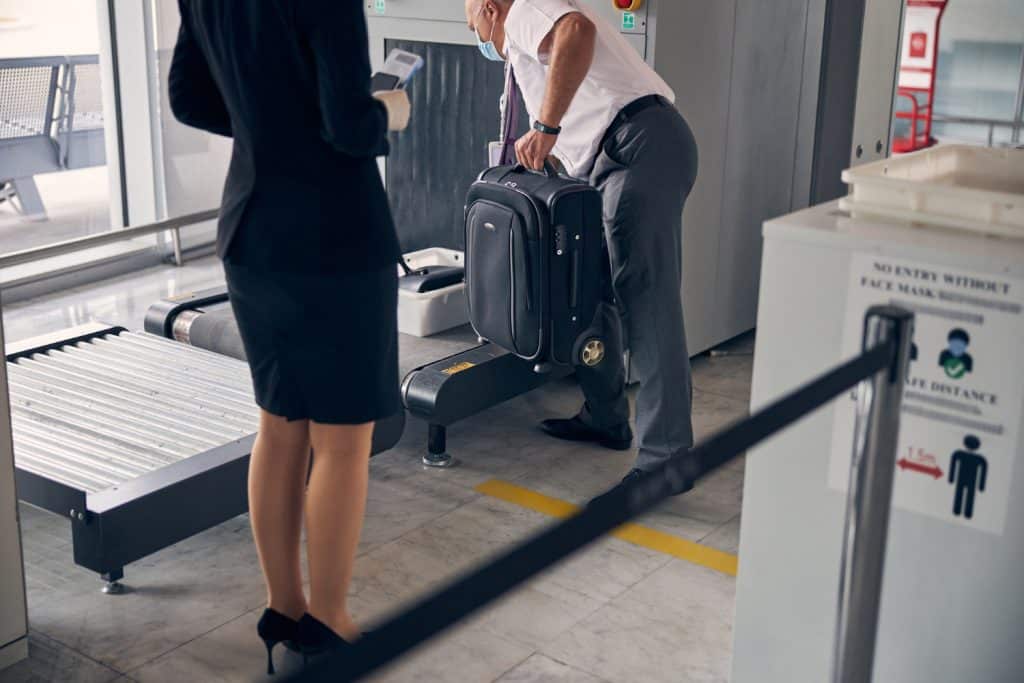
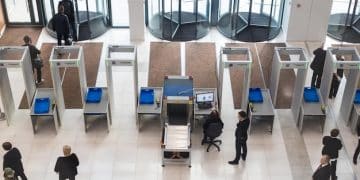
Planning your 2026 trips? Staying ahead of the latest TSA Regulations is no longer just a recommendation, it’s the key to avoiding costly fees and major delays at U.S. checkpoints.
From the long-awaited REAL ID enforcement to the rollout of advanced 3D scanners, the security landscape has shifted significantly. These modernized screening protocols now allow for faster processing but demand more from your identification.
This guide breaks down the critical updates from the last quarter, ensuring you navigate biometric checks and new baggage rules with ease. Prepare now to transform your next airport visit into a seamless, stress-free experience.
Understanding the Core Changes in 2026 TSA Regulations
The recent wave of updates to the 2026 TSA Regulations represents a strategic evolution in airport security, moving towards more sophisticated and less intrusive screening methods.
These changes are not merely incremental; they reflect a proactive stance against emerging security challenges.
Travelers should be aware that these revisions affect various aspects of the airport experience, from packing carry-on bags to navigating security checkpoints. The goal is to enhance safety without unduly prolonging wait times, a delicate balance the TSA continuously strives to achieve.
Familiarizing oneself with these core changes is the first step towards a stress-free travel experience. Ignoring them could lead to unexpected delays or even missed flights, making preparedness paramount.
Enhanced Screening Technologies at US Airports
A cornerstone of the new 2026 TSA Regulations is the widespread deployment of advanced screening technologies.
These state-of-the-art systems are designed to provide more detailed imaging of carry-on contents and passengers, reducing the need for manual bag checks and pat-downs.
Computed Tomography (CT) scanners for carry-on luggage are becoming more prevalent, allowing officers to view 3D images of bag contents.
This technology significantly improves threat detection capabilities and often eliminates the need for passengers to remove liquids and electronics from their bags.
For travelers, this means a potentially faster and more efficient screening process, provided they follow instructions and utilize the designated lanes equipped with these new scanners.
Understanding how these technologies work can alleviate anxiety at the checkpoint.
Updates to Carry-On and Checked Baggage Rules
The 2026 TSA Regulations also include specific adjustments to what can and cannot be carried in both carry-on and checked luggage.
While the fundamental rules for liquids and gels (the 3-1-1 rule) generally remain, the enforcement and scanning methods have evolved, especially with the introduction of new scanners.
Passengers are encouraged to check the TSA’s official website for the most up-to-date list of prohibited and permitted items, as certain regulations may vary based on the specific airport and technology in use.
Being proactive about packing can prevent delays at security.
For instance, some airports with advanced CT scanners may allow liquids in larger quantities to remain in carry-on bags, but this is not universal.
Always confirm the specific requirements for your departure airport to ensure compliance with the 2026 TSA Regulations.
Navigating the New Security Checkpoint Experience
The airport security checkpoint experience is undergoing a transformation under the 2026 TSA Regulations. Passengers will notice changes designed to optimize flow and enhance security efficacy, requiring a slightly different approach to preparation.
Awareness of these procedural shifts is key to a smooth journey. The TSA aims to create a more predictable and less stressful environment, but this relies heavily on traveler cooperation and understanding of the updated guidelines.
Preparing for the checkpoint now involves more than just having your ID ready; it means understanding the nuances of the new screening processes and how they apply to you.
Streamlined Identification and Boarding Pass Procedures
Identity verification has also seen enhancements as part of the 2026 TSA Regulations. Many airports are now utilizing advanced ID verification technology that can confirm a traveler’s identity without requiring them to hand over their physical ID to a TSA officer.
This technology, often involving facial recognition or biometric scanning, aims to improve both security and efficiency. While these systems are becoming more common, travelers should always carry their physical government-issued ID as a backup.
Additionally, the integration of digital boarding passes with these ID verification systems is simplifying the initial check-in process, further streamlining the journey through the airport.
PreCheck and CLEAR Program Adjustments
For frequent travelers, programs like TSA PreCheck and CLEAR continue to offer expedited screening, albeit with some minor adjustments under the 2026 TSA Regulations.
These programs remain invaluable for bypassing longer lines and benefiting from less intrusive screening.
However, participants should still be mindful of the overall regulatory framework, as certain changes, particularly regarding prohibited items, apply universally.
The benefits of these programs are maximized when combined with an understanding of current TSA guidelines.
It is always advisable for PreCheck and CLEAR members to stay informed about any specific updates relevant to their enrollment, ensuring their expedited experience remains seamless and compliant with the latest 2026 TSA Regulations.
Preparing for Your Journey: Essential Tips
Effective preparation is more important than ever with the implementation of the 2026 TSA Regulations. A little foresight can significantly reduce stress and potential delays at the airport, allowing you to focus on the enjoyment of your trip.
From reviewing packing lists to arriving at the airport well in advance, these practical tips are designed to empower travelers. Being informed and organized is your best defense against unexpected issues at security checkpoints.
Consider these recommendations as your personal checklist for navigating the evolving landscape of US airport travel under the new 2026 TSA Regulations.
Packing Smart: What to Know for 2026
Packing smart under the 2026 TSA Regulations means understanding the latest guidelines for both carry-on and checked luggage. While the 3-1-1 rule for liquids in carry-ons is generally still in effect, the use of advanced CT scanners may allow for exceptions at some airports.
Always check if your departure airport uses CT scanners, as this could mean you don’t need to remove liquids or electronics from your bag. For airports without these scanners, continue to follow the standard procedure of separating these items.
It is also prudent to keep essential medications, valuables, and important documents in your carry-on bag. Consolidating items and ensuring easy access to necessary documents will expedite your passage through security, in line with the 2026 TSA Regulations.
Arriving Early and Staying Informed
With the ongoing changes and potential for new procedures, arriving at the airport significantly earlier than usual is a highly recommended practice. This buffer time accounts for any unforeseen delays at security, check-in, or even navigating the airport itself.
Staying informed is equally critical. Regularly check the TSA website, follow their social media channels, or sign up for alerts to receive real-time updates on regulations and airport conditions. This proactive approach ensures you are always up-to-date with the 2026 TSA Regulations.
Many airlines also provide valuable information regarding TSA guidelines on their websites. Cross-referencing these sources will give you the most comprehensive understanding of what to expect, making your travel experience smoother.

Impact on International and Domestic Travel
The 2026 TSA Regulations primarily influence domestic travel within the United States and the outbound security procedures for international flights originating from US airports.
While inbound international flights are subject to their originating country’s security, passengers connecting to domestic flights in the US will encounter these new rules.
This dual impact means travelers on international itineraries must be cognizant of both international and US-specific regulations. A seamless transition often hinges on understanding these overlapping requirements.
The goal is a harmonized approach where possible, but distinct differences persist, making informed travel planning essential for all journeys affected by the 2026 TSA Regulations.
How New Regulations Affect Connecting Flights
For passengers with connecting flights within the US, the 2026 TSA Regulations can introduce specific considerations. If you arrive on an international flight and have a domestic connection, you will likely need to re-clear security, even if your bags are checked through.
This re-screening process means you will be subject to the latest TSA guidelines, including those for carry-on items and personal screening. Adequate layover time is crucial to accommodate this process without rushing.
Always verify the re-screening requirements for your specific connecting airport, as policies can sometimes vary. Being prepared for this step is vital for maintaining a smooth travel flow under the 2026 TSA Regulations.
Future Outlook: More Changes on the Horizon?
The landscape of air travel security is dynamic, and the 2026 TSA Regulations are part of an ongoing evolution. Travelers should anticipate further adjustments as technology advances and global security threats shift.
The TSA continuously evaluates and refines its protocols, often piloting new initiatives at select airports before widespread implementation. Staying attuned to these developments will help travelers remain prepared for future changes.
Subscribing to official TSA communications or reliable travel news sources is a good strategy for keeping abreast of upcoming modifications. The agency’s commitment to security means that adaptability will always be a key component of successful air travel.
Addressing Common Concerns and Misconceptions
With any significant regulatory shift, such as the 2026 TSA Regulations, common concerns and misconceptions inevitably arise among the traveling public. Addressing these directly helps to demystify the process and build traveler confidence.
Many questions revolve around the perceived inconvenience versus the enhanced security benefits. It is important to remember that these regulations are designed to protect, not merely to complicate travel.
By clarifying the intent and practical application of the rules, travelers can approach security checkpoints with greater understanding and less apprehension.
Dispelling Myths About Advanced Screening
One common misconception pertains to the privacy implications of advanced imaging technology (AIT) and CT scanners. The TSA emphasizes that these technologies are designed to protect passenger privacy while effectively identifying potential threats.
AIT machines, for instance, use a generic outline of a person, not a photographic image, and CT scanners provide 3D images of bags, not detailed personal scans. These systems are regularly reviewed to ensure they meet privacy standards.
Understanding the actual capabilities and limitations of these technologies can alleviate concerns. The focus of the 2026 TSA Regulations is on efficient threat detection, not on intrusive personal data collection.
Understanding the Role of TSA Officers
TSA officers play a critical role in implementing the 2026 TSA Regulations. Their decisions at the checkpoint are based on established protocols and ongoing training, aiming to ensure the safety and security of all passengers.
While interactions can sometimes feel impersonal, officers are trained to identify anomalies and respond to potential threats. Cooperation and clear communication from travelers can significantly aid the screening process.
Passengers with specific needs or concerns, such as medical conditions or disabilities, are encouraged to inform officers in advance. The TSA provides assistance programs to ensure equitable and respectful screening for all travelers.
The Benefit of Planning Ahead for 2026 Travel
The strategic advantage of planning ahead for travel in 2026 cannot be overstated, especially with the dynamic nature of 2026 TSA Regulations. Proactive measures not only save time but also significantly reduce travel-related stress.
This forward-thinking approach encompasses everything from checking the latest TSA guidelines to understanding airport-specific procedures. It transforms potential hurdles into manageable steps, ensuring a smoother journey.
Ultimately, a well-planned trip is a more enjoyable trip. Embrace the changes by integrating preparedness into your travel routine.
Leveraging Digital Tools and Resources
The TSA offers a suite of digital tools and resources invaluable for navigating the 2026 TSA Regulations. The official TSA website and MyTSA app provide real-time information on wait times, acceptable items, and security protocols.
These platforms are regularly updated with the latest changes, making them essential companions for any traveler. Utilize them to confirm regulations specific to your departure airport and to get answers to frequently asked questions.
Subscribing to TSA email alerts can also ensure you receive critical updates directly. Embracing these digital aids will keep you informed and prepared for the nuances of the 2026 TSA Regulations.
Ensuring a Smoother Journey for All Passengers
The collective effort of travelers to understand and comply with the 2026 TSA Regulations contributes to a smoother journey for everyone. When passengers are prepared, security lines move more efficiently, reducing overall wait times and stress.
This shared responsibility underscores the importance of individual awareness and adherence to guidelines. It fosters an environment where security measures are effective without becoming overly burdensome.
By doing your part, you not only benefit yourself but also contribute to a more pleasant and efficient travel experience for all passengers navigating US airports.
| Key Change | Impact Description |
|---|---|
| Advanced Scanners | Increased use of CT scanners, potentially eliminating removal of liquids/electronics from carry-ons. |
| Identity Verification | Broader implementation of biometric and digital ID verification at checkpoints. |
| Carry-On Rules | Specific adjustments to what can stay in carry-ons, varying by airport technology. |
| Expedited Programs | TSA PreCheck and CLEAR remain vital for faster screening, with minor procedural updates. |
Frequently Asked Questions About 2026 TSA Regulations
The most significant changes involve the increased deployment of advanced screening technologies, like CT scanners, and enhanced identity verification methods. These aim to improve threat detection and streamline the passenger experience, reducing manual checks and wait times at security checkpoints across US airports.
It depends on the airport. At airports equipped with new CT scanners, you may no longer need to remove liquids (following the 3-1-1 rule) or electronics. However, for airports without these advanced scanners, the traditional rule of removing these items still applies. Always check your departure airport’s specific guidelines.
TSA PreCheck members continue to benefit from expedited screening. While the core benefits remain, members should still be aware of overall regulatory changes, especially regarding prohibited items. The advanced technologies aim to make the PreCheck experience even smoother, but staying informed on specific airport procedures is always recommended.
To prepare, check the TSA’s official website or use the MyTSA app for the latest guidelines specific to your departure airport. Arrive earlier than usual, especially during peak travel times, and ensure all your documents are easily accessible. Packing smart, with an awareness of new carry-on rules, is also crucial for a smooth process.
The intention behind the 2026 TSA Regulations is to make airport security more efficient and, consequently, faster for compliant travelers. Advanced technology reduces the need for secondary screenings, and streamlined processes aim to improve throughput. However, initial implementation phases might see some adjustments, so patience and preparedness are key.
What this means
The implementation of The New TSA Regulations for Smoother US Airport Travel signals a significant shift towards modernized airport security.
Travelers must adapt to these evolving protocols to ensure a hassle-free journey. Staying informed through official TSA channels and planning ahead will be paramount for navigating US airports efficiently.
These changes reflect an ongoing commitment to enhanced security, promising a more secure and potentially smoother travel experience for all.